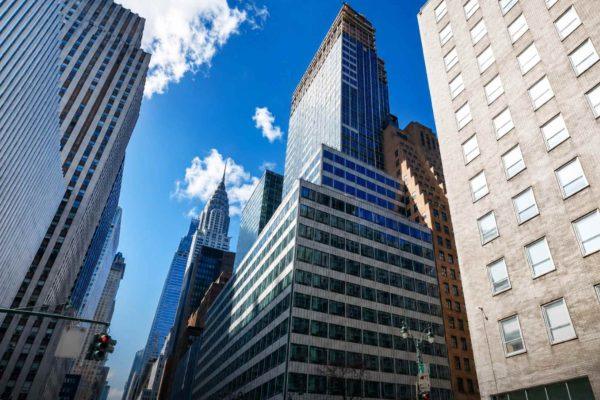
New Yorkers got a stark reminder of the fragility of the city's skyline this week when a Midtown office tower suddenly became a danger zone. At 235 East 42nd Street, the former Pfizer headquarters, two structural columns on the 21st floor buckled, causing several interior levels to collapse and prompting an immediate evacuation. The FDNY shut down surrounding streets as engineers rushed to stabilize the 37-story building. While the immediate hazard was contained, the incident has ignited a broader conversation about the hidden vulnerabilities of Manhattan's most exclusive residential towers.
432 Park Avenue: A Billionaires Row Icon Under Fire
Among the buildings now under renewed scrutiny is 432 Park Avenue, the slender 1,396-foot tower that defines Billionaires Row. Condo owners have filed extensive litigation against developers CIM Group and Macklowe Properties, citing roughly 1,900 alleged construction defects. Independent engineers have documented thousands of cracks in the building's core, along with persistent water damage, malfunctioning elevators, and unsettling creaking noises during high winds. While city officials insist the tower meets current building codes, experts warn that falling concrete fragments from such extreme heights pose a real public danger. Residents are now funding a $160 million facade repair initiative to address the deterioration.
The situation at 432 Park Avenue is not an isolated case. It reflects a pattern of luxury towers that have prioritized speed and cost savings over long-term resilience. For a city that prides itself on architectural ambition, the cracks in these supertalls are more than cosmetic—they are a warning about the limits of modern engineering.
161 Maiden Lane: A Leaning Tower in the Financial District
Downtown, the 60-story residential project at 161 Maiden Lane, also known as One Seaport, sits unfinished and abandoned. The building developed a three-inch lean due to uneven foundation settling. Developers had opted for ground grouting instead of driving traditional piles deep into the riverside soil—a cost-saving measure that proved disastrous. The lean made it impossible to install windows and elevators, halting construction indefinitely. The project is now mired in legal disputes between contractors and developers, while city regulators monitor the structure to ensure it doesn't pose an immediate collapse risk to the surrounding blocks.
These incidents are part of a broader pattern of structural failures across the city. In 2023, a residential building collapsed in the Bronx, and last year, a 17-story office building on 59th Street suffered foundation damage. Municipal officials continue to enforce emergency protocols and structural monitoring, but they have refused to release a full list of vulnerable buildings until later this year. That secrecy has only heightened anxiety among residents and pedestrians who walk beneath these towers every day.
For Latinos across the diaspora, many of whom call New York home, this is not just a story about real estate. It's about the safety of the neighborhoods where we live, work, and raise families. From Washington Heights to Corona, the city's skyline is a shared landmark, but its integrity affects us all. As the city grapples with these structural crises, the need for transparent oversight and rigorous inspections has never been more urgent.
While the immediate danger at 235 East 42nd Street has been contained, the broader questions remain: How many other towers are hiding similar defects? And what will it take for city officials to act before a tragedy occurs? For now, New Yorkers can only watch and wait, hoping that the concrete above them holds firm.