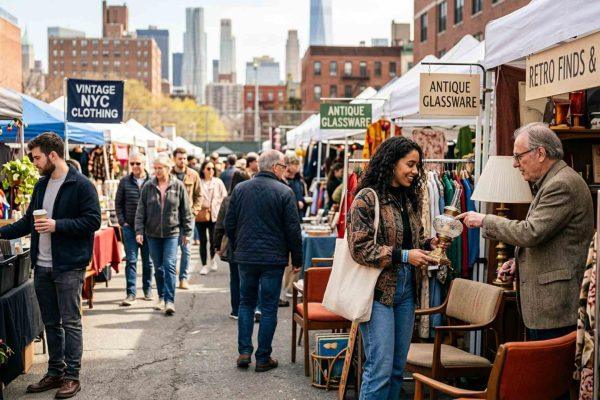
As spring unfolds in New York, a distinct transformation sweeps across the city's boroughs. Forgotten parking lots in Queens, sun-drenched schoolyards in Brooklyn, and repurposed industrial spaces in Manhattan are shedding their mundane identities. They are being reborn, not with new construction, but with curated fragments of the past, emerging as the vibrant epicenters of the 2026 vintage market season.
This network of ephemeral fairs, stretching from the Upper West Side to creative enclaves in Bushwick and Astoria, has solidified its place in the city's cultural fabric. More than mere shopping destinations, these markets have become dynamic, intergenerational meeting points where the ethos of responsible consumption intersects with the pulse of urban life.
The Sustainable Style Renaissance
At the heart of this revival is a powerful shift toward sustainability and a desire for authenticity. The vintage and second-hand market in New York has seen a sustained annual growth of around 15% over the past five years, a clear signal of changing consumer values. Visitors are not just hunting for deals; they are investing in history, seeking out pieces with a story—from sleek Mid-Century Modern armchairs to iconic 1990s garments from long-shuttered downtown boutiques.
For 2026, the offerings have become even more specialized. Thematic fairs dedicated to Scandinavian design or artisanal jewelry from Latin American creators allow for direct dialogue with experts and craftspeople. This human connection, the ability to learn the provenance of a piece directly from the seller, is a cherished value that digital marketplaces struggle to replicate. It turns a simple transaction into a cultural exchange.
This movement aligns with a broader cultural moment where individuality and environmental consciousness are prized. As we've seen in music, artists like Rosalía continually redefine style, often pulling from vintage aesthetics to create something entirely new. The city's markets are the physical embodiment of this creative, circular economy.
Community Forged on City Asphalt
The true magic of these markets lies in their role as community catalysts. They are evolving into full-fledged cultural festivals. The scent of sizzling food from local vendors mingles with the sounds of live music, while hands-on restoration workshops invite people of all ages to engage. These spaces transform underutilized concrete into vibrant stages for local art and personal interaction.
This hybrid model, which now smartly incorporates digital tools for previewing or reserving exclusive finds, ensures the vintage scene remains vital for a generation that values experience and low environmental impact. It's a compelling alternative to the anonymity of online shopping and the homogeneity of big-box stores. Interestingly, this community-focused urban living is part of what's attracting new demographics to the city, a trend noted in stories like how retirees are choosing New York City over Florida.
For our bicultural Latino audience, these spaces often resonate deeply. They mirror the mercados and plazas found across Latin America—vibrant, communal, and full of life. They are places where history is tangible, where you can find a guayabera from México next to a record from Colombia's golden age of salsa, each piece carrying the weight and warmth of its previous life.
Tips for the Discerning Treasure Hunter
Ready to explore? Seasoned market-goers offer clear advice: arrive early. The most unique pieces often find new homes within the first few hours after opening. While most markets maintain free weekend admission, their soaring popularity has led to stricter curation of vendors, a necessary step to guarantee the authenticity and quality that define the experience.
Navigating these finds requires a keen eye, much like navigating important financial planning. It's about discerning lasting value. With a packed agenda for 2026, this season promises to be the most active yet, reaffirming that in a city constantly chasing the new, the most modern accessory is often a piece of authentic history. In New York, the past isn't just remembered; it's worn, lived in, and celebrated anew every weekend.