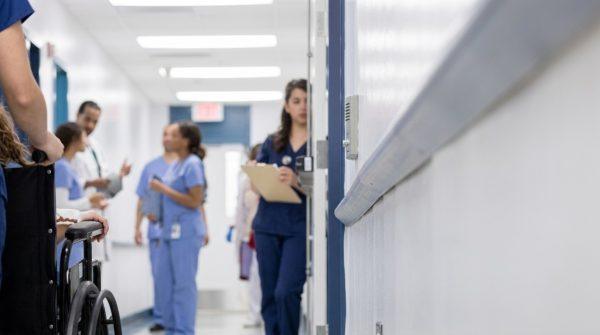
New York City is facing a sharp rise in COVID-19 hospitalizations, with the latest data showing the highest weekly admission numbers in nearly a year. Between August 30 and September 5, more than 500 patients were admitted across the five boroughs, a figure not seen since early October. The city also recorded 12 deaths linked to the virus during that same period.
Municipal health authorities are urging residents to get vaccinated against COVID-19, as well as the flu and respiratory syncytial virus (RSV), as the region enters the official respiratory virus season. The surge is a reminder that the virus continues to evolve and affect urban communities, especially the most vulnerable.
What the latest numbers show
State data confirms that the weekly intake of COVID patients in New York City has climbed steadily, with hospitals across Manhattan, Brooklyn, Queens, the Bronx, and Staten Island feeling the pressure. While influenza activity remains relatively stable, emergency room visits for RSV are being closely monitored. Wastewater surveillance, a key early-warning tool, continues to detect significant viral circulation, helping health officials anticipate further increases.
Dr. Alister Martin, a municipal health commissioner, emphasized the importance of accurate information and accessible care. "We know that when people have clear guidance and easy access to vaccines, they protect themselves and their families," he said. "This is about keeping our neighborhoods safe during seasonal transitions."
Who is most at risk
The current wave is hitting certain groups harder, including children aged six months to two years, infants with underlying health conditions, and older adults. Health departments are tracking infection rates in these populations closely and adjusting their response accordingly.
For families, the advice is straightforward: stay up to date on recommended vaccines. The flu shot is recommended for everyone over six months, and RSV immunizations are available for infants and some older adults. Pregnant women are also advised to receive booster doses to protect both themselves and their newborns.
Vaccine access and coverage
The Food and Drug Administration has authorized updated COVID vaccines targeting current variants, with special emphasis on people over 65 and those with severe pre-existing conditions. Pharmacies like Walgreens and CVS are allowing patients to self-certify high-risk status without complex prescriptions in most states, making it easier to get vaccinated quickly.
Insurance plans, including public options and the federal Vaccines for Children program, cover the recommended doses at no cost, removing financial barriers. This is crucial for Latino families and other communities that have historically faced disparities in healthcare access.
Community health centers and local organizations are stepping up to host vaccination events, particularly in neighborhoods with lower immunization rates. These efforts are part of a broader push to ensure that no one is left behind as the city navigates this latest surge.
For those who develop respiratory symptoms, health officials advise seeking care promptly. Early treatment can reduce the severity of illness and prevent hospitalizations. The city maintains transparent communication channels, including provider maps and health advisories, to keep residents informed.
As New Yorkers prepare for the colder months, the message from health experts is clear: vaccination remains the most effective defense against severe illness. The current numbers are a wake-up call, but they also highlight the tools we have to protect our communities.
For more on public health challenges affecting the region, see our coverage of the Bronx Legionella outbreak and the SNAP funding shift that could impact Latino families.