For many Latinos in the New York metro area, the dream of suburban space often comes with the burden of car payments, insurance, and endless traffic. But a growing number of communities are proving that you can have the best of both worlds: a quieter, more affordable home base without needing a vehicle. AARP's latest ranking of mid-sized suburbs across the United States puts two New Jersey towns at the top for walkability and transit access: Cliffside Park and Fort Lee.
These aren't just any suburbs. They're dense, diverse hubs where Latino families, young professionals, and retirees alike can run errands, grab a bite, and commute into Manhattan without ever touching a steering wheel. The analysis, which evaluates factors like pedestrian infrastructure, public transit frequency, and proximity to essential services, shows that these communities are redefining what suburban life looks like.
Cliffside Park: Walkability Meets Hudson River Views
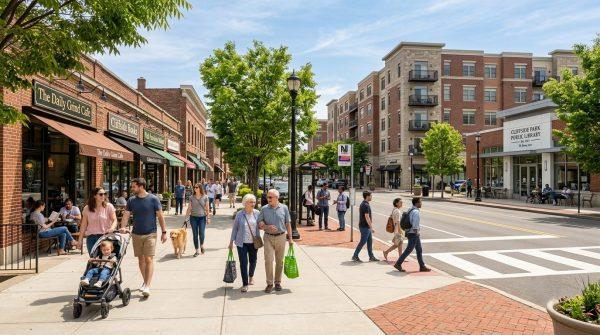
Cliffside Park earned the top spot with a walk score of 85 out of 100. That means most daily errands can be done on foot. The town's layout, perched along the Hudson River, connects residential streets directly to a lively commercial corridor. Residents walk to parks, grocery stores, the public library, and local markets. The community has also seen a significant drop in pedestrian-involved accidents over the past five years, making it a safer environment for children and older adults alike.
For Latino families who value la vida sin prisas—a life without rush—Cliffside Park offers a rare blend of urban convenience and suburban calm. The proximity to the George Washington Bridge and bus lines to the Port Authority means a commute to Midtown takes about 30 minutes. And with the rising cost of living pushing essential workers out of cities like New York and Miami, this kind of affordable, walkable suburb becomes even more attractive. (Read more about how Miami-Dade's rising cost of living is pushing essential workers out.)
Fort Lee: Transit Hub with a Thriving Main Street
Just north of Cliffside Park, Fort Lee secured second place thanks to its powerful transportation network and a downtown that's built for pedestrians. Main Street is the heart of the action, lined with Korean restaurants, Latino bakeries, and shops that cater to the area's multicultural population. The town offers a free community bus for seniors, and recent municipal investments have widened sidewalks to accommodate the growing number of people walking to work or to catch a bus.
Fort Lee's location at the foot of the George Washington Bridge gives residents direct access to New York City via multiple bus lines. Local transit officials continuously monitor traffic to keep public transportation running smoothly. Small business owners report higher customer retention because shoppers can easily walk to stores without hunting for parking. That's a big deal for a suburb where many residents are first- or second-generation immigrants who rely on public transit.
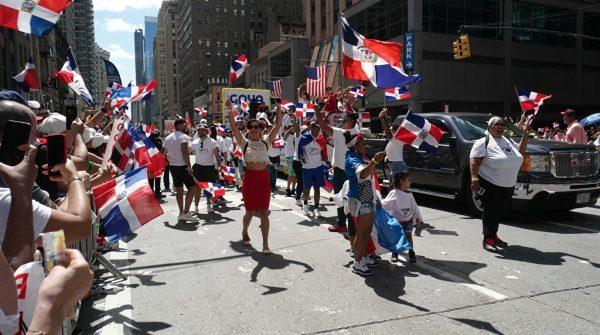
The town's diversity is a major draw. You'll hear Spanish, Korean, and Tagalog on the streets. The local bodegas and panaderías are within a five-minute walk from most apartment buildings. For those who want to stay connected to Latino culture while enjoying suburban space, Fort Lee delivers.
Why Car-Free Suburbs Matter for Latinos
Car-free living isn't just an environmental trend—it's a financial necessity for many families. The average cost of owning and maintaining a car in New Jersey is over $10,000 a year. For a household earning a median income, that's a huge chunk of the budget. Walkable suburbs like Cliffside Park and Fort Lee allow families to redirect that money toward housing, education, or savings.
These communities also promote active lifestyles. With parks, bike lanes, and pedestrian-friendly streets, residents are more likely to walk or bike for errands. That's a win for health and for the environment. And as New Jersey prepares to host World Cup matches in 2026, the state is investing in transit-oriented development that could make even more suburbs car-free friendly. (Check out how New Jersey is giving away 770 free World Cup tickets to families and healthcare workers.)
Of course, not every suburb is built this way. Many still require a car for basic errands. But the success of Cliffside Park and Fort Lee offers a model for other towns across the region. Regional planners are watching closely, hoping to replicate these results in growing metropolitan areas where traffic congestion is choking quality of life.
For Latinos who want to stay close to the city without the chaos, these New Jersey suburbs prove that sí se puede—yes, it's possible—to live well without a car.