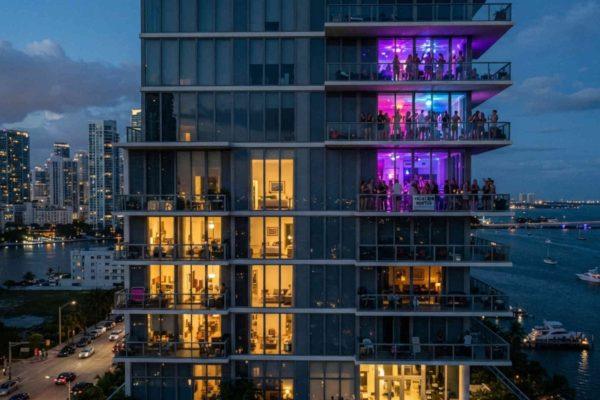
Miami's Brickell district, once a symbol of sleek urban living, is undergoing a quiet but radical transformation. What were once residential towers are now functioning more like revolving-door party hotels, with investors renting out units by the night to tourists and partiers. The result is a growing tension between the promise of quick profits and the basic need for stable housing in one of the most expensive cities in the United States.
Recent reports paint a stark picture: in one emblematic Brickell building, a staggering 85% of units no longer house permanent residents. Instead, they are listed on short-term rental platforms, catering to visitors who come for a weekend of sun, nightlife, and the city's unmistakable energy. For many long-time owners, the hallways now echo with rolling suitcases and bass-heavy music rather than the sounds of neighbors heading to work or school.
The human cost of the party economy
This shift is not just an aesthetic change—it's deepening Miami's housing crisis. The city already ranks among the least affordable rental markets in the country, and the conversion of residential units into de facto hotels is making things worse. Nurses, teachers, cooks, and other essential workers are finding it nearly impossible to secure a place to live within their budgets. As one local resident put it, "We're being pushed out of our own neighborhood by tourists who stay for a weekend."
The problem is widespread. According to data from AirDNA, nearly 70,000 properties across Miami-Dade, Broward, and Palm Beach counties are actively listed for short-term stays. The economics are simple: a single weekend rental can bring in as much as a full month's traditional lease. For property owners, the choice often seems obvious—even if it means contributing to the erosion of the city's residential fabric.
Neighborhood associations and tenant advocates are now raising their voices, demanding that local authorities step in. They argue that the city needs clear rules, such as mandatory minimum stays, to prevent entire buildings from becoming informal hotels. Without such measures, they warn, the character of Miami's neighborhoods—and the ability of working families to live there—will be lost.
Lawmakers and legal experts are also weighing in. Some propose state-level restrictions that would limit the number of nights a unit can be rented out, or require owners to obtain special permits. Others point to the need for better enforcement of existing rules, which are often ignored in the rush to profit from tourism.
Meanwhile, the city's cost of living continues to climb, surpassing even New York in some measures, as recent analyses have shown. For many, the party in Brickell is a symbol of a deeper imbalance—one where short-term gains trump long-term community stability.
Some developers are betting on the continued appeal of luxury towers, like the recently topped-off Cipriani Residences, which sold 80% of its units before completion. But even as new buildings rise, the question remains: who will actually live in them?
The debate is not just about housing policy; it's about the soul of Miami. As one community organizer put it, "We want a city that works for everyone, not just for tourists and investors." The push for regulation is gaining momentum, but time is running out for the families who are already being priced out.
For now, the party in Brickell continues. But the hangover may be felt for years to come, as Miami grapples with the consequences of letting its residential towers become playgrounds for the wealthy and the transient.