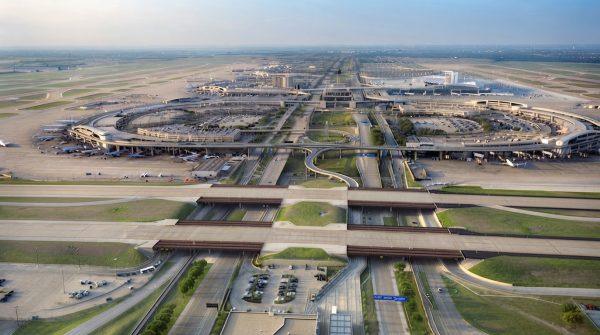
Dallas-Fort Worth International Airport, one of the busiest hubs in North America, is rolling out a significant upgrade to its restroom facilities. The airport has registered a project with the Texas Department of Licensing and Regulation to install dedicated foot-washing stations, or ablution units, in Terminal D. The goal is to provide a proper space for Muslim travelers to perform their pre-prayer cleansing ritual, while also addressing long-standing hygiene concerns caused by passengers using regular sinks for this purpose.
The decision comes after repeated complaints about water accumulating on countertops and floors, creating slip hazards and unsanitary conditions. By designating specific areas for foot washing, the airport aims to keep the restrooms cleaner and safer for everyone. The project is being funded entirely through private investment, with an estimated cost of around $300,000, meaning no public money from Texas taxpayers will be used.
Why Terminal D?
Terminal D is DFW's primary gateway for international flights, handling a large volume of travelers from around the world, including many from countries with significant Muslim populations. Airport officials see this as a strategic choice, aligning DFW with other major international airports like Houston's George Bush Intercontinental and Chicago O'Hare, which have already implemented similar facilities. The move is part of a broader effort to modernize the airport's infrastructure and meet the needs of a diverse passenger base.
The new ablution stations will be integrated into both men's and women's restrooms, with a dedicated space for the ritual washing of feet, hands, and face before prayer. Civil engineers involved in the project emphasize that the primary objective is to prevent misuse of standard sinks, which has been a persistent issue. The dedicated stations are designed to handle water flow properly, reducing the risk of slips and falls and protecting the restroom's physical condition over time.
While the project has been officially registered and is moving forward, it has also ignited a lively debate on social media. Conservative activist Ryan Fournier publicly voiced his support, calling it a practical and necessary step to maintain cleanliness and safety. Others have expressed concerns about the allocation of space and the potential for cultural conflicts, reflecting the broader national conversation about accommodating religious practices in public spaces.
Despite the online chatter, airport management is sticking to the schedule, with completion expected before the end of the year. The private funding ensures that the project won't be delayed by budgetary constraints, and the formal registration with the state confirms compliance with all regulations.
This isn't the first time DFW has made headlines for its facilities. The airport has been working on various upgrades to enhance the traveler experience, and this latest initiative is part of that ongoing effort. For many in the Latino community, who often travel between the U.S. and Latin America, these changes might go unnoticed, but they reflect a broader trend of airports becoming more inclusive and responsive to the needs of a global clientele.
As the project progresses, it will be interesting to see how other airports respond. The conversation around religious accommodations in public spaces is complex, but DFW's approach—pragmatic and privately funded—might serve as a model for others. For now, travelers passing through Terminal D can look forward to a cleaner, safer, and more welcoming environment.
For more on how airports are adapting to diverse passenger needs, check out our story on abandoned cars at a Missouri airport or the recent chaos at New York airports due to storms. And if you're planning a trip, you might also be interested in Texas's rental market crisis affecting many families.