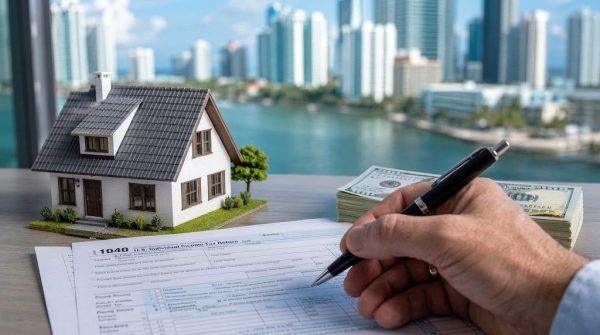
On November 3, 2026, Florida voters approved Amendment 3 with nearly 62% support, clearing the 60% threshold needed to reshape the state's property tax landscape. The measure, which takes effect in 2027, increases the homestead exemption to $150,000 and then to $250,000 in 2028, while also capping annual assessment increases for non-homestead properties at 5%, down from the previous 10%. For Miami-Dade, this means significant savings for homeowners—but a potentially tougher road for renters.
Miami-Dade Property Appraiser Tomás Regalado, who had campaigned for the amendment, acknowledged that the victory exceeded expectations. According to his office, property owners in the county will save an estimated $353 million in the first year alone. Florida TaxWatch projects that figure could approach $500 million in the second year. For an average homeowner in the city of Miami, that translates to roughly $1,216 in savings in 2027 and $2,448 in 2028.
“Local municipal administrations will need to adjust internal budgets and reduce expenditure before considering tax hikes due to political costs,” said a spokesperson for the Miami-Dade Property Appraiser’s Office. That sentiment echoes across the state, as cities and counties grapple with the reality of reduced revenue.
Municipalities face tough budget choices
The fiscal impact is substantial. Florida municipalities are projected to see a cumulative revenue reduction of $45.8 billion between 2027 and 2032. To maintain essential services, local governments are exploring a range of options, from increasing impact fees and building permits to, in some cases, proposing the elimination of residential property taxes altogether—a long-term goal supported by Governor Ron DeSantis and several county leaders.
Former Lieutenant Governor Jeff Kottkamp noted that the strong voter turnout reflected widespread frustration with inflation. “People are feeling the pinch,” he said. Henry Torres of Astor Companies echoed that, highlighting the daily struggles of middle-class families. Meanwhile, Alexander Ruiz, COO of Prestige Companies, and opposition spokesman Jackson Peel both agreed that cities will likely raise development impact fees to balance lost income, avoiding the political backlash of a direct tax increase.
Renters and businesses feel the ripple effects
Housing advocates are concerned about the lack of direct protections for tenants. Representatives from Miami Homes For All and Tax Foundation analyst Nicole Fox warn that landlords, facing higher operational costs, may pass those expenses on to renters—who do not benefit from homestead exemptions. “This could squeeze the rental market,” Fox said. Barry Sharpe, president of Sharpe Properties, confirmed that commercial real estate will also see higher operating costs, which will inevitably be passed down through business lease agreements.
Commercial real estate analysts anticipate lower transaction volumes due to what Brian Sharpe, vice president of Sharpe Properties, calls “golden handcuffs.” When a property is sold, its tax assessment resets to current market value, eliminating the accumulated benefits of the assessment cap. As a result, owners may hold onto properties longer to preserve their lower tax baselines, potentially reducing inventory and affecting market dynamics.
For those considering a move to Florida, timing is crucial. The new residency requirement means that individuals relocating after 2027 must wait five years before they can access the expanded homestead exemptions. This has already sparked interest among potential buyers, as Florida's new property tax breaks lure New Yorkers, but the five-year wait is a key consideration.
In Miami, the luxury market is also shifting. Some wealthy residents are rethinking homeownership as luxury rentals gain appeal, partly due to the tax implications. Meanwhile, the city’s teachers can breathe a sigh of relief: Miami-Dade teachers keep bonuses as the property tax measure passed, ensuring that education funding remains intact for now.
As the Florida Legislature prepares to issue final implementation rules, the full impact of Amendment 3 will become clearer. For now, homeowners in Miami-Dade can look forward to substantial savings, but renters and businesses may need to brace for higher costs. The balance between tax relief and essential services remains a delicate one, and the coming years will test how well the region adapts.