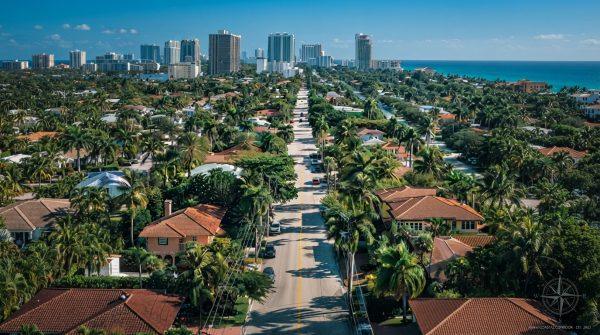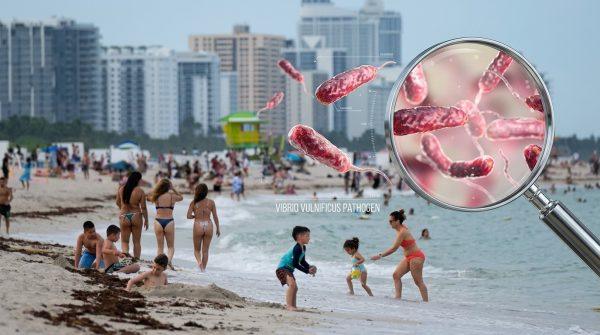
If you're planning a trip to the Miami coastline this July, you'll want to check the latest water quality reports before diving in. The Florida Department of Health in Miami-Dade County has issued a preventive alert after finding elevated concentrations of Enterococcus bacteria at three specific beach locations. This isn't a blanket warning for all shores, but it's a serious reminder that even our most popular coastal spots can face hidden health risks.
Which Beaches Are Affected?
Health authorities have identified three sectors that currently fail to meet state safety standards for recreational water activities. These are:
- Golden Beach, at the northeastern tip of the county
- Bark Beach, located at 79th Street in Miami Beach
- North Shore Ocean Terrace, near 73rd Street in Miami Beach
Technical teams are monitoring these points closely, collecting periodic samples to track any decrease in bacteria levels. The goal is to ensure that water quality returns to permitted parameters as soon as possible, allowing residents and tourists to enjoy the ocean without unnecessary risks.
Why Does This Happen?
Elevated Enterococcus levels often stem from environmental factors like heavy rain runoff, animal waste, or leaks in local sanitation systems. In Miami-Dade, intense summer storms can wash pollutants into the ocean, temporarily compromising water quality. Medical specialists warn that exposure to these microorganisms—especially for vulnerable individuals, children, or those with open wounds—can lead to skin infections or gastrointestinal issues. That's why following official updates from the health department is essential.
It's worth noting that the warning only applies to direct contact with the water. You can still enjoy the sand, sun, and other coastal facilities at these beaches. Just keep your feet dry and avoid swimming or wading until the advisory is lifted.
What Should You Do?
If you have a recent cut, open wound, or existing skin condition, it's best to steer clear of any water in the affected areas. The Department of Health recommends checking their official communications before planning your beach day. You can find updated reports on the county's digital channels, where detailed information about the current status of these beaches is available.
This isn't the first time Miami-Dade has faced such alerts. Similar advisories have popped up in past summers, often linked to seasonal rains. For context, NYC beaches have also dealt with bacteria alerts after heavy rains triggered sewage overflows, showing that this is a broader coastal challenge.
Staying Safe While Enjoying the Coast
While the county's safety protocol aims to minimize health impacts, prevention remains your best tool. Avoid swallowing seawater, shower after any accidental contact, and keep an eye on local news. The local government's commitment to rigorous technical follow-up means that restrictions will be lifted as soon as tests confirm safe conditions.
For now, residents and tourists alike should exercise caution. Collective responsibility helps control these microorganisms in the marine environment. And if you're looking for other things to do in Miami while the beaches are under advisory, consider exploring the city's vibrant cultural scene—like the ongoing sunlight dispute between hotels over a new luxury tower, or the buzz around Inter Miami's tactical puzzle as Vozinha and Casemiro join Messi's squad.
Stay informed, stay safe, and remember: the ocean will be waiting for you once the bacteria levels drop.