For decades, Mexico's opening match in the World Cup has served as more than just a first step—it has been a crystal ball, offering a glimpse into how far El Tri will go. From the heavy defeats of the 1930s to the stunning victory over Germany in 2018, the debut has consistently measured the squad's tactical maturity and competitive edge. As Mexico prepares to face South Africa at the legendary Estadio Azteca in the 2026 tournament, this historical pattern is worth examining.
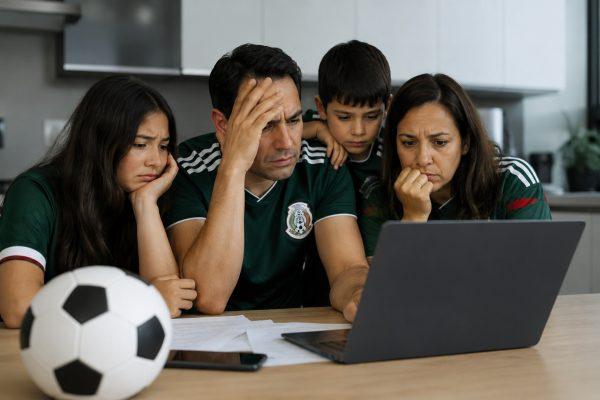
The 2022 World Cup in Qatar broke a decades-long streak of consistency. The scoreless draw against Poland, preserved largely by goalkeeper Guillermo Ochoa's penalty save, was a warning sign. For the first time since 1978, Mexico's opening stalemate accurately predicted a group-stage exit. It was a stark reminder that a strong start is not just about points—it's about momentum and identity.
From Humble Beginnings to Home Glory
Mexico's early World Cup history was marked by logistical challenges and minimal preparation. In 1930, they played the tournament's very first match, losing 4-1 to France. Similar struggles against powerhouses like Brazil and Sweden followed in the 1950s, largely due to long maritime travel and a lack of professional structures. The tide began to turn with a stable draw at England 1966, setting the stage for historic quarterfinal runs during the 1970 and 1986 tournaments hosted on home soil, where the roar of the Estadio Azteca crowd propelled the team forward.
Between 1994 and 2018, Mexico's openers became a reliable asset: consistent victories against Croatia, Iran, Cameroon, and South Korea. This efficiency ensured near-automatic progression to the round of 16. The peak came in 2018 when Hirving “Chucky” Lozano's explosive strike secured a 1-0 win over Germany, briefly shifting global perceptions of Mexico's competitive ceiling.
The Qatar Warning and a New Era
The 2022 tournament delivered a negative diagnostic. The 0-0 draw against Poland, saved by Ochoa's heroics, exposed a loss of offensive cohesion under the previous coaching regime. For the first time since 1978, Mexico's opening stalemate foreshadowed an early group stage exit, disrupting the revenue streams tied to knockout-round placement. Now, with a roster blending inexperienced talent and carryover assets from recent failures, the opening fixture against South Africa will immediately test whether Mexico has restructured its competitive framework.
As the 2026 World Cup approaches, the stakes are high. The match against South Africa is not just a game—it's a diagnostic. Will Mexico leverage home-field advantage and the energy of a bicultural fanbase, or will administrative pressure and tactical gaps lead to another early exit? The answer, as history suggests, may be written in the first 90 minutes.
For fans looking to catch the action, join us in LA for a watch party or check out the opening ceremony details. And if you're curious about the odds, a supercomputer gives Mexico an 87.6% chance to reach the knockouts—but history reminds us that the opener will tell the real story.