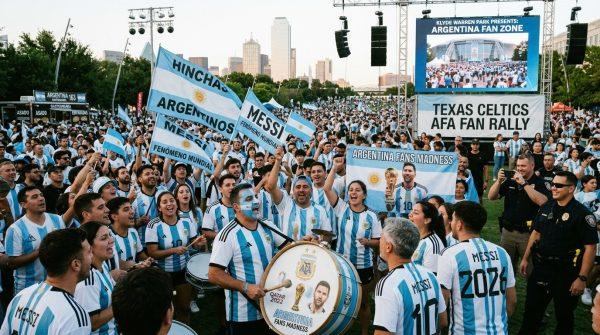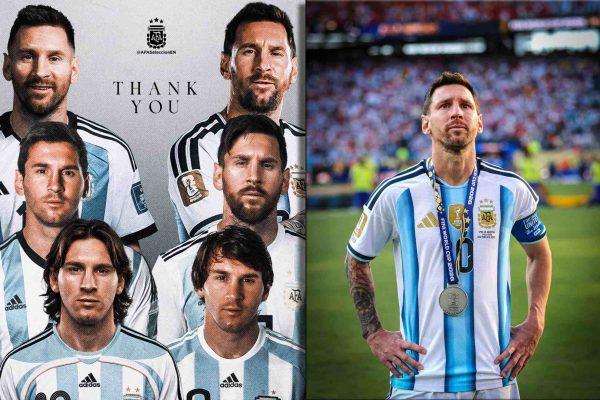
The Argentina national team is entering a new era, and it's happening faster than anyone expected. Lionel Messi's official retirement from international football has removed the anchor of a generation, and now a harsh FIFA sanction is pushing another veteran toward the exit. Midfielder Leandro Paredes, 32, has admitted he's weighing his future with the Albiceleste after being handed a 10-match suspension for his role in the chaotic scenes following the World Cup final against Spain.
Paredes, who was also fined $90,000 along with defender Nahuel Molina, told Argentine media that the combination of a lengthy ban and Messi's departure makes it difficult to see a clear path forward. "It's a lot to process," he said. "The suspension, losing Leo from the dressing room—it changes everything. I need to talk with Scaloni and figure out what's best for me and for the team."
A domino effect in the dressing room
Messi's exit was always going to leave a void, but the ripple effects are now touching players who formed the core of Argentina's recent success. Paredes, who has been a reliable presence in midfield since his debut in 2017, is not the only one reflecting. Several seasoned squad members are reportedly reassessing their international commitments, aware that the post-Messi cycle will demand a different kind of sacrifice and that the emotional glue of the captain's leadership is gone.
The incident that triggered Paredes' ban occurred in the aftermath of the final, when tensions boiled over and he clashed with Spain's young midfielder Gavi. FIFA's disciplinary committee acted swiftly, and the suspension threatens to sideline him well into 2026. For a player who has already won a World Cup and two Copa América titles, the prospect of sitting out such a crucial stretch—while the team rebuilds—raises a legitimate question: is it worth staying?
Paredes emphasized that Messi's legacy is permanent, describing him as "a leader who carried us for two decades." But he also acknowledged that the team had long suspected the World Cup final might be Messi's last dance. "We knew it could happen, but when it's real, it hits you differently," he said. "Now we have to find our own way."
Scaloni's accelerated transition
For coach Lionel Scaloni, the timing is brutal. Argentina's next international window in September will be missing several key figures—not just Messi and Paredes, but also others serving bans or considering their futures. The technical staff must accelerate a generational shift that was always coming, but now has to happen without a grace period.
The good news is that Argentina's pipeline of talent remains deep. Young midfielders like Enzo Fernández and Alexis Mac Allister have already proven themselves on the biggest stage, and Scaloni has shown a willingness to trust youth. But integrating them into a cohesive unit while also managing the emotional fallout of Messi's departure is a delicate balancing act.
Looking ahead, Argentina will defend its Copa América title in 2028, but the more immediate goal is qualifying for the 2026 World Cup. The team's identity will inevitably shift—less reliance on a single genius, more collective responsibility. As Argentina faces the impossible task of replacing Messi's No. 10, Scaloni must decide whether to hand the armband to a veteran like Ángel Di María or to a younger leader who can grow into the role.
Paredes' decision will be a bellwether. If he stays, he could provide the experience and grit that a young midfield needs. If he goes, it signals that the old guard is ready to pass the torch. Either way, the Albiceleste are entering uncharted territory, and the world will be watching how they navigate it.
For fans, the emotional weight is real. Messi's retirement closes a chapter that defined an era of Argentine football. But as Kily González takes over Inter Miami, reuniting with Messi in MLS, the legend's influence continues elsewhere. For the national team, though, the future starts now—and it starts without its greatest ever player.