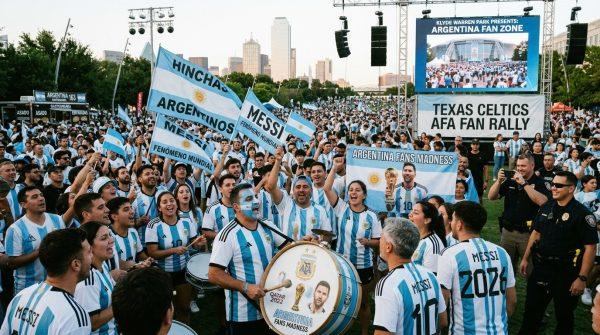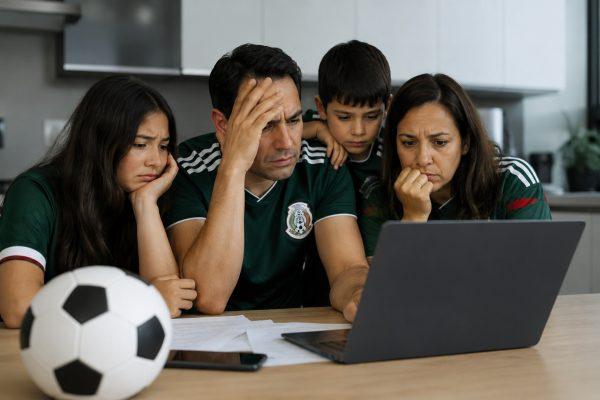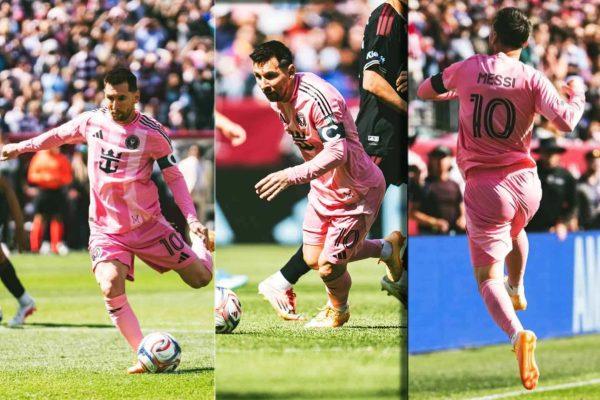
It's official: Lionel Messi has hung up his boots for Argentina. In a handwritten letter and an emotional video shared across social media, the 38-year-old confirmed what many fans had dreaded—his international career is over. The announcement leaves the famous No. 10 jersey vacant for the first time since March 2009, sparking an immediate debate across Buenos Aires, Rosario, and every corner of the football world: who could possibly wear it next?
For Argentina, this is more than a squad number. The No. 10 has been a symbol of genius, responsibility, and magic—worn by Maradona, then by Messi. It carries the weight of a nation's hopes. The decision of who inherits it is almost impossible, and coach Lionel Scaloni knows it.
Candidates and precedents for the historic shirt
Several players have already worn the No. 10 during Messi's occasional absences in qualifiers and friendlies. Young midfielder Franco Mastantuono, who has impressed at River Plate, recently donned it in a competitive match. Experienced forwards like Ángel Correa and Paulo Dybala have also had the honor. Meanwhile, key starters such as Lautaro Martínez, Alexis Mac Allister, and Nicolás Paz regularly wear the No. 10 at their European clubs, making them natural contenders in the public eye.
But the jersey is not just about who looks good in it. It's about who can handle the pressure that comes with it. As one Argentine journalist put it, "The No. 10 is a crown that can crush you if you're not ready."
Tactical restructuring beyond the iconic jersey
Replacing Messi's output on the pitch is a far greater challenge than assigning a number. For years, the captain functioned as the primary creative engine, dropping deep to orchestrate play and linking with a central striker. Without his vision and passing range, Scaloni will likely shift to a more balanced attacking structure, relying on paired forwards and collective movement rather than a single playmaker.
This transition has been in the works for a while. The coaching staff has been integrating younger talents, and the squad's core—including Julián Álvarez, Enzo Fernández, and Mac Allister—has already shown they can win without Messi, as they did in the 2022 World Cup final when he was less influential. But the emotional void remains.
"We have to learn to play without him, but we also have to learn to live without him on the pitch," said Scaloni in a recent press conference. "It's a new era, and we have to embrace it."
A new chapter for the world champions
The reigning world champions now face the task of solidifying a tactical framework that relies on the collective rather than the individual. The integration of young players like Mastantuono and Paz provides a foundation for emerging leaders to step up. Upcoming fixtures will be a test of Argentina's resilience and adaptability.
For fans, the end of Messi's international career is a bittersweet moment. They've watched him lift the Copa América, the Finalissima, and the World Cup—completing his legacy. Now, they must watch a new generation try to write its own story. The No. 10 will be worn again, but it will never feel quite the same.
As Argentina navigates this transition, the rest of the football world watches closely. The recent FIFA sanctions and the ongoing backlash against Julián Álvarez add layers of complexity to the team's preparations. But for now, the focus is on honoring the past while building for the future.
Messi may be gone from the national team, but his influence remains. The question of who inherits the No. 10 is not just about a shirt—it's about carrying forward a legacy that defined a generation of Argentine football.