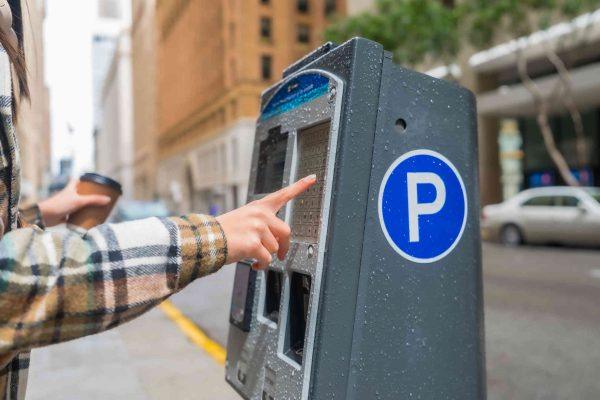
New York City drivers, especially those in a hurry, are the latest targets of a sophisticated QR code scam. A Brooklyn resident, Mihai Theodor Enescu, has been charged after allegedly placing 64 fraudulent stickers on parking meters across Manhattan. The stickers, which read “Web Pay. Scan to Pay,” were designed to mimic the official ParkNYC payment platform, tricking drivers into entering their credit card numbers, expiration dates, phone numbers, and license plate information on a fake website.
How the scam worked
The scheme came to light in June 2025 when a sharp-eyed citizen noticed a suspicious sticker on a meter near East 10th Street. The user attempted to pay but the webpage kept loading indefinitely, never completing the transaction. Realizing something was off, they contacted their banks before any financial damage occurred. This tip-off led the Manhattan District Attorney’s Office and the city’s Department of Investigation to launch a full review of parking meters in the area, uncovering the full extent of the fraud.
Enescu, 39, pleaded not guilty to five counts of second-degree identity theft and six counts of second-degree criminal impersonation. He told local media he works as an Amazon delivery driver and is currently under supervised release while the case proceeds.
What authorities are saying
District Attorney Alvin L. Bragg Jr. and Department of Investigation Commissioner Nadia I. Shihata have issued strong warnings to motorists: New York City parking meters never require scanning a QR code. Drivers should only use the official ParkNYC app or the traditional physical payment equipment on the meter. They also advise checking the meter surface for overlapping stickers and stopping any transaction that asks for unusual information.
This incident is a reminder that even everyday tasks like paying for parking can become a trap. For Latinos in the city, who often rely on cars for work and family errands, staying alert is key. The investigation remains open, and the district attorney’s office has set up a direct line for anyone who suspects they may have been a victim.
While this scam is specific to Manhattan, similar QR code frauds have been reported in other cities. It’s a good practice to always double-check the URL before entering sensitive data, and to use official apps whenever possible. For more on how New Yorkers are dealing with urban challenges, check out our story on a driver’s creative parking protest.
As the city continues to adapt to digital payments, authorities are working to stay ahead of criminals. But the best defense is an informed public. So next time you park, take a second to inspect the meter—it could save you from a headache and your bank account.