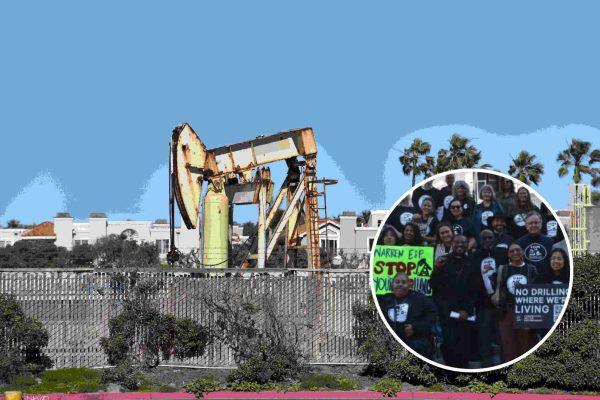
After more than a decade of relentless organizing, residents of Los Angeles have secured a historic victory: the City Council has passed an ordinance that immediately bans new oil wells and phases out all existing urban drilling within 20 years. The decision, celebrated by community groups like STAND-LA and Esperanza Community Housing, marks a turning point in the fight for environmental justice in one of the largest cities in the United States.
For years, families in neighborhoods like University Park and South Los Angeles—many of them Latino and working-class—have lived just steps away from active oil extraction sites. The constant stench, the noise, and the visible machinery were a daily reality. But the true cost was measured in health: asthma rates spiked, children missed school, and elders struggled to breathe. Studies have linked proximity to drilling with nausea, migraines, and reduced lung capacity, a toll that activists say was borne disproportionately by communities of color.
A decade of resistance, a landmark win
The campaign was not a sprint but a marathon. Residents organized, marched, filed lawsuits, and testified at countless hearings. They built alliances with environmental groups, public health experts, and progressive lawmakers. Their persistence paid off on October 28, when the City Council voted to approve the phaseout. The ordinance also requires oil companies to cover the costs of plugging and remediating idle wells—a financial burden that could run into the millions.
“This is about our children’s future,” said one organizer from STAND-LA. “We’ve been breathing this poison for too long. Now we can finally see a path to clean air.” The sentiment echoes the broader movement for environmental justice that has been gaining momentum across California and the nation.
Industry groups have threatened legal action, calling the measure an illegal taking of private property. But the city’s action is backed by state legislation and a growing public consensus. The California Energy Commission has also debunked claims that ending local production would spike fuel prices, noting that extraction in the Los Angeles Basin has already dropped by 43 percent in recent years. In fact, the city’s move is largely symbolic in terms of supply—but hugely significant as a precedent.
The costly cleanup ahead
Now the hard work begins. Nearly 80 percent of the region’s idle wells have been inactive for over eight years, and plugging each one can cost anywhere from hundreds of thousands to millions of dollars. The ordinance holds oil companies responsible, but enforcement will require vigilance from agencies like CalGEM and the Los Angeles Fire Department. Activists are already pushing to shorten the 20-year timeline, arguing that every year of delay means more harm to vulnerable communities.
The victory in Los Angeles is part of a larger wave of environmental action. Just as New York City celebrates historic low lead levels, LA is setting a new standard for urban fossil fuel extraction. It’s a reminder that change is possible when communities organize and refuse to accept the status quo.
For the Latino community, this win is deeply personal. Many of the neighborhoods affected are home to immigrant families who have fought for decades for basic dignity. Their struggle mirrors that of communities across Latin America, where oil extraction has often come at the expense of local health and environment. The Los Angeles ordinance offers a model—and a hope—that even the most entrenched industries can be held accountable.
As the city looks ahead, the focus is on ensuring a just transition. That means not only cleaning up the wells but also investing in green jobs and community health. The fight is far from over, but this milestone proves that grassroots power can move mountains—or at least, can move a city council.
For those who have lived under the shadow of the derricks, the change is already tangible. “We can finally open our windows without fear,” said a resident of South LA. “This is what victory feels like.”