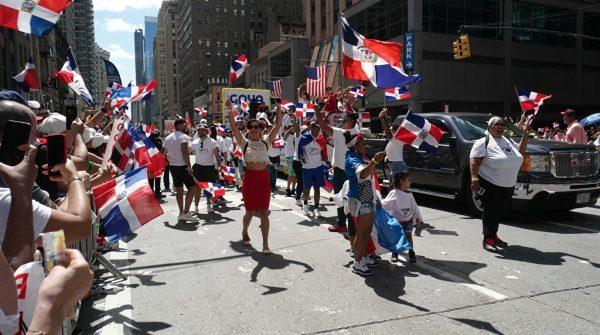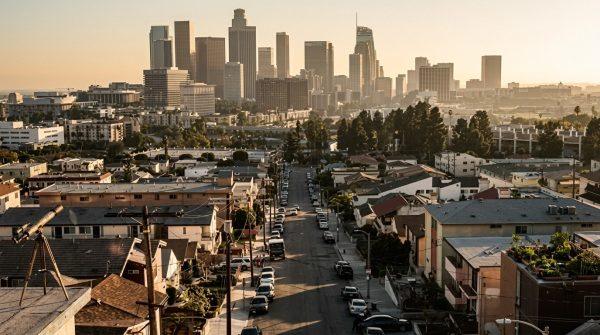
California has long been a crossroads for Latino communities, but which towns truly feel like home? Artificial intelligence models, including ChatGPT, have analyzed factors like language use, architecture, local businesses, and festivals to pinpoint the state's most Latino-friendly destinations. These aren't just places with high populations—they're neighborhoods where daily life reflects the rhythms of México, Central America, and beyond.
Santa Ana, in Orange County, stands out as a place where Spanish is the default in shops and markets. Walk down any main street, and you'll find panaderías, taquerías, and stores selling quinceañera dresses. The city's cultural resilience is no accident: it's built on generations of families who maintain ties to their countries of origin. Similarly, East Los Angeles wears its Mexican-Chicano heritage proudly, with murals that tell stories of struggle and celebration. The annual Día de los Muertos festivities there draw crowds from across the region, turning mourning into a vibrant public art form.
Salinas, in Monterey County, offers a different flavor. Its agricultural roots mirror rural towns in the Mexican interior, where family-run businesses anchor the economy. Here, the rhythm of life follows the harvest seasons, and community gatherings often center around fiestas patronales. San Ysidro, right at the border, functions as a binational hub where cross-cultural exchange is a daily reality. Boyle Heights, in Los Angeles, combines historic architecture with a strong sense of activism, while El Centro, in the Imperial Valley, maintains a desert-town feel that recalls northern México.
These towns are more than demographic clusters—they're cultural preservation zones. According to U.S. Census Bureau data, California houses one of the largest Latino populations in the nation, with Los Angeles County alone counting 1.8 million Latino residents. San Diego follows with 354,000, and San Jose rounds out the top three with 294,000. But numbers only tell part of the story. The real value lies in how these communities sustain traditions through food, music, and language.
Economic and Social Fabric
The concentration of Latino residents in these areas fosters economic networks that support small businesses. From carnicerías to mercados, these enterprises create jobs and keep money circulating locally. Festivals like Cinco de Mayo and Fiestas Patrias boost tourism and provide income for vendors. This economic phenomenon is crucial for understanding how Latino-friendly towns resist homogenization. As California's housing market shifts, initiatives like California's $11.25 billion housing plan aim to address affordability, but cultural continuity remains a separate challenge.
Urban planners note that infrastructure must keep pace with demand for health, education, and housing services without eroding the character of these neighborhoods. Bilingual signage and multilingual assistance in public offices reduce barriers for newcomers, but the real glue is oral tradition and community gatherings. Pláticas in parks, corridos at family parties, and posadas during December—these rituals reinforce identity across generations.
For those considering a move, experts recommend checking individual neighborhood conditions rather than relying solely on city-wide data. While AI provides a useful starting point, the lived experience varies block by block. Some areas, like Boyle Heights, have seen gentrification pressures that threaten longtime residents. Others, like El Centro, remain more affordable but offer fewer job opportunities.
Ultimately, these towns represent a network of distinct cultures, not a single monolith. A Salvadoran family in San Ysidro may find community in a different way than a Mexican-American family in East L.A. But the common thread is resilience—the ability to maintain heritage while adapting to life in the Golden State. As California continues to evolve, these Latino-friendly towns will likely remain anchors of identity for generations to come.