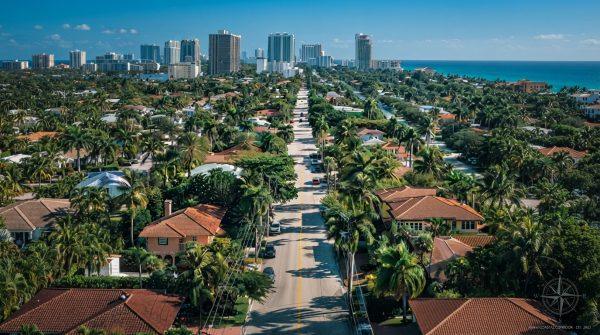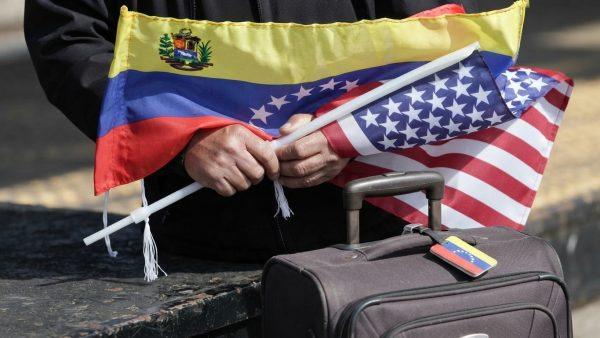
For decades, Miami was the unofficial capital of the Venezuelan diaspora in the United States. But a quiet shift is underway: families are now planting roots in places like Salt Lake City, Atlanta, and Denver, trading the familiar humidity of South Florida for the promise of cheaper rent and steady work. Federal data compiled between 2018 and 2025 by the Pew Research Center shows a clear trend—Venezuelans are spreading out, and the map of their new American life looks very different than it did a generation ago.
This isn't just about swapping one city for another. It's a story of adaptation and resilience. After crossing the border, often through Arizona, many newcomers are bypassing the traditional gateway states altogether. Instead, they're heading to mid-sized metros where a paycheck goes further and the traffic is less punishing. Community leaders in Utah, for example, report that suburban neighborhoods south of Salt Lake City are absorbing hundreds of new arrivals each week. The pattern repeats in Chicago, Denver, Dallas, Houston, Madison, Albuquerque, and Savannah—cities that once had minimal Venezuelan presence but now boast vibrant, growing communities.
Why the map is changing
The reasons are practical. Families carefully weigh living costs, commute times, and safety before choosing a final destination. Saturated coastal markets like Miami and Los Angeles have become less attractive due to high rents, tough job markets, and low wages. Regional economists point to analysis from the Brookings Institution that highlights how these factors are pushing newcomers toward emerging metropolitan areas with accessible housing and robust employment opportunities. In these places, households can achieve financial independence up to three times faster than in the crowded coastal hubs.
Local business owners are quick to praise the entrepreneurial drive of these newcomers. Many Venezuelans arrive with professional skills and a strong work ethic, and they often channel that energy into launching their own ventures—specialized bakeries, construction firms, personal care salons. These small businesses don't just provide income for the owners; they create jobs for other newcomers and breathe new life into neighborhood commercial corridors. State economic development offices report that this influx is helping fill critical vacancies while boosting local economies and adding cultural diversity to communities that were once fairly homogeneous.
The integration process is supported by a network of religious institutions, grassroots organizations, and municipal programs. Churches and community centers serve as anchors, helping newcomers navigate paperwork, find temporary housing, and connect with employers. Volunteers distribute practical information about healthcare and schools, while civic groups monitor how well families are settling in. Language workshops and vocational training programs are also part of the mix, designed to speed up professional integration. The result is a support system that, according to local officials, operates with remarkable efficiency—some municipal programs boast over 95% success rates in helping families get on their feet.
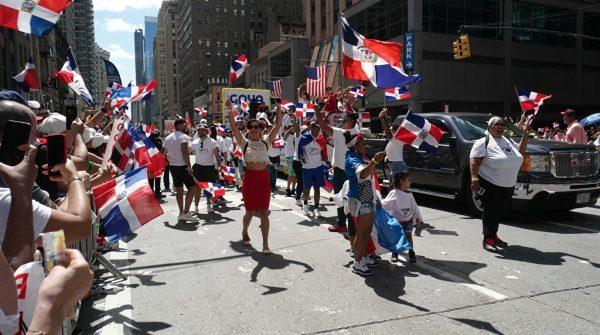
This wave of migration is also reshaping schools and community life. In one Utah school district, enrollment has grown by more than 1,500 students, prompting educators to adapt curricula to serve a more diverse student body. Cultural celebrations, once rare in these suburbs, are now regular events, with Venezuelan flags and traditional music filling parish halls. Longtime residents say they've witnessed the transformation firsthand, and many welcome the energy and enterprise that newcomers bring.
For those who have made the leap, the decision is often about more than economics. It's about building a future. As one community organizer in Atlanta put it, "We're not just looking for a place to live. We're looking for a place to grow." That sentiment echoes across the country, from the high plains of Utah to the red clay of Georgia.
The trend shows no signs of slowing. Regional policy experts are studying these demographic shifts to understand their long-term impact, and local chambers of commerce are stepping up with mentoring programs for immigrant entrepreneurs. According to the U.S. Small Business Administration, these initiatives have an average success rate exceeding 85%. The story of Venezuelan migration is no longer just about Miami—it's about the new American dream taking root in unexpected places.
For more on how Latin American communities are thriving in new settings, check out our coverage of Cuban women entrepreneurs in Miami and Rosalía's recent Miami tour.