For Latino families across the U.S., the dream of homeownership often comes with extra layers of complexity—navigating credit, saving for a down payment, and finding a place that feels like home in a market that can shift quickly. The latest housing data from July offers a clearer picture of where things stand, and it's a mixed bag that calls for careful thought.
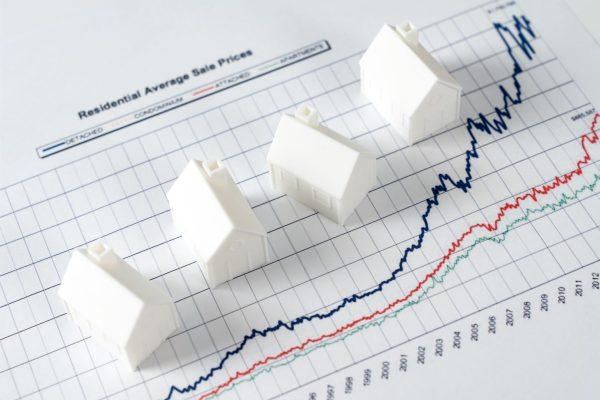
The national median listing price fell to $428,950, a 2.4% drop from the same time last year. That's the ninth consecutive month of year-over-year declines, a trend that might make you wonder: is this the moment to jump in, or should you wait for even better conditions?
What the numbers say
According to Realtor.com's July report, the market is showing signs of a controlled cool-down rather than a crash. About 20% of active listings saw price reductions, which means sellers are getting more realistic. Pending sales grew 1.3%, marking eight straight months of growth, and homes are spending a median of 57 days on the market—right in line with pre-pandemic norms.
That combination of falling prices and steady sales suggests buyers have more leverage than they've had in years. But it's not uniform across the country.
Regional differences matter
In the Northeast, only 13.7% of listings had price cuts, with cities like Hartford, Buffalo, and New York City seeing the least flexibility because inventory is so tight. Out West, the picture is different: 21.9% of listings in the West saw price reductions, followed by the South at 21.3% and the Midwest at 18.7%. Portland, Denver, and Dallas are leading the nation in seller concessions.
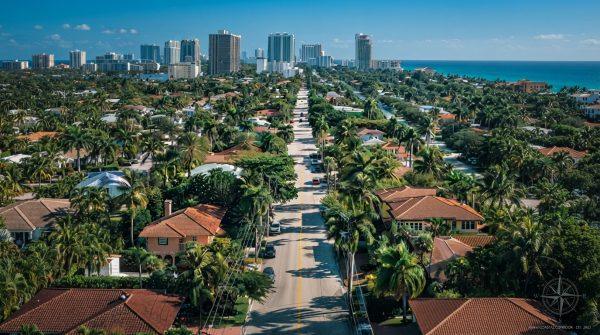
For Latino buyers in those Western and Southern markets, this could be an opening. But it's not just about price—it's about what you can actually afford in your community. In places like Los Angeles, where rents have dipped to a four-year low, the calculus is different than in Texas, where new affordable units are coming online.
Inventory remains a sticking point. Active listings are still 11.6% below the historical average from 2017 to 2019, which means in many areas, there just aren't enough homes to go around. That keeps competition alive, even as prices soften.
What to watch in the coming weeks
Economists at Realtor.com say the late summer will be a test. If price cuts spike, pending sales drop, or more sellers pull their listings, that could signal deeper friction heading into autumn. For now, the market is stabilizing, but it's fragile.
For buyers, the advice is to stay local. National trends are useful, but your neighborhood's inventory and price movement are what really matter. If you're in a market where prices are falling and you've got your financing in order, this might be a good time to make an offer. If you're in a tight market like the Northeast, waiting might not yield much difference.
Also consider the broader economic picture. Mortgage rates are still elevated compared to a few years ago, but they've eased from their peaks. And remember, homeownership is about more than the price tag—it's about building equity and stability for your family.
As you weigh your options, keep an eye on local data and talk to a realtor who knows your target neighborhoods. The market is giving signals, but they're not all pointing the same way. For a deeper dive into where buyers hold the most power, check out our breakdown of top buyer's markets.
Ultimately, the decision to buy now or wait is personal. But with prices down and sellers more flexible, the window for negotiation is open—especially in the West and South. Just make sure you're ready, both financially and emotionally, to take that step.