If you paid late fees or interest to the IRS during the COVID-19 pandemic, you might be owed a refund. A federal court decision in Kwong v. United States determined that the IRS applied disaster extensions incorrectly, meaning millions of taxpayers—including many in the Latino community—could recover money they paid under duress.
The pandemic emergency period ran from January 20, 2020, to May 11, 2023. Under Section 7508A(d) of the Internal Revenue Code, an additional 60 days should have been added, pushing the effective deadline to July 10, 2023. The court found that the IRS failed to honor this full extension, making certain late fees and underpayment interest improper. This ruling opens a path for individuals, retirees, and small business owners to reclaim those funds.
Who can claim a refund and how
Eligibility extends beyond just individual filers. Independent contractors, retirees, and small business owners who settled tax debts with administrative penalties during the disputed timeframe may qualify. Even large corporations are getting involved—Western Digital is pursuing a separate legal action to recover more than $20 million in disputed interest charges, highlighting the scale of this issue.
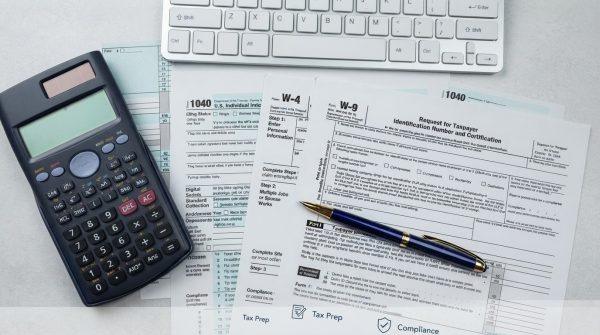
To start the process, you'll need to check your official IRS transcripts to see if you paid any eligible penalties or interest during the pandemic. You can request these transcripts directly from the IRS. Once you've identified qualifying payments, you'll need to submit IRS Form 843, which is specifically designed for penalty claims. This form requires careful documentation, so it's wise to review your records thoroughly before filing.
Time is of the essence. The standard statute of limitations gives you three years from the date you filed your return or two years from the date you paid the penalty—whichever is later. If you miss these windows, you lose the right to claim your refund. That's why acting promptly is critical.
Given the complexity, many taxpayers are turning to certified tax professionals for guidance. The IRS has appealed the initial ruling, and the case is still moving through federal appeals courts. While the litigation continues, your ability to claim a refund remains intact, but professional advice can help you navigate the requirements and avoid common pitfalls.
This judicial correction underscores the importance of institutional accountability, especially when emergency regulations intersect with everyday financial responsibilities. For many Latino households, the pandemic was a time of economic strain, and the last thing anyone needed was an unfair tax penalty. This ruling offers a chance to right that wrong.
If you're unsure whether you qualify, consider checking your records or consulting a tax expert. The process may seem daunting, but the potential refund could be significant. And with the deadline looming, there's no time to waste.
For more on how financial rules affect Latino families, check out our coverage on tariff refunds for working families and Texas's proposed $1,500 checks.