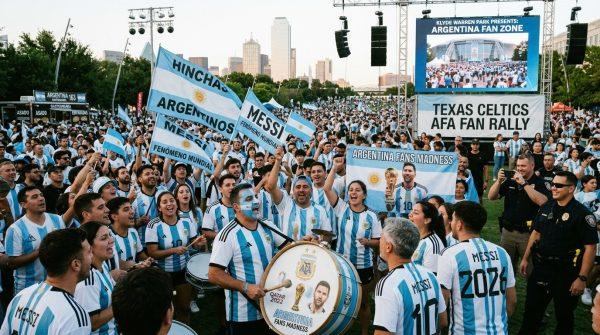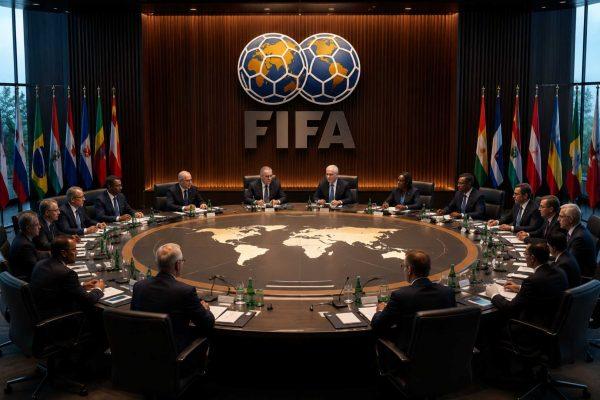
When you watch a World Cup match or a club game in Buenos Aires, Mexico City, or Los Angeles, you're witnessing the product of a complex global system. At the center of that system sits FIFA, the Fédération Internationale de Football Association, which has quietly become one of the most powerful institutions in sports. But how does it actually work?
A global network bigger than the UN
Founded in Paris in 1904 and now headquartered in Zurich, FIFA unites 211 national associations—more than the United Nations has member states. That reach gives it authority over everything from the rules of the game to international player transfers. For Latin American fans, this means the federation that governs the beautiful game also shapes the destinies of clubs and national teams from La Bombonera to the Estadio Azteca.
FIFA's structure is built on a democratic ideal, at least on paper. The Congress is its supreme decision-making body, where every member federation has one vote, regardless of its footballing power. This assembly approves budgets, elects the president, and sets long-term policy. Between sessions, the Council—a 37-member body—handles day-to-day governance, ensuring the organization runs smoothly.
Continental confederations: the regional powerhouses
FIFA doesn't work alone. It delegates significant authority to six continental confederations: UEFA in Europe, CONMEBOL in South America, CONCACAF in North and Central America, CAF in Africa, AFC in Asia, and OFC in Oceania. Each confederation manages its own qualifying tournaments, club competitions, and development programs. For example, CONMEBOL runs the Copa Libertadores, while CONCACAF oversees the Gold Cup—both vital to the region's football identity.
This decentralized approach allows FIFA to maintain global consistency while respecting regional differences. The General Secretariat acts as the administrative engine, handling logistics, staffing, and budget distribution across all member territories.
Regulating the game: from VAR to transfer rules
Beyond organizing the men's and women's World Cups, FIFA holds sweeping regulatory power. It collaborates with the International Football Association Board (IFAB) to update the Laws of the Game, and it has been at the forefront of technological changes like VAR and semi-automated offside detection. For players and clubs, FIFA's Transfer Matching System is the mandatory digital platform for international transfers, ensuring transparency and compliance.
FIFA also sets the international match calendar, which clubs worldwide must respect—a point of tension with domestic leagues, especially in Europe. This calendar determines when national teams can call up players, directly impacting clubs in Argentina, Brazil, and beyond.
Money and influence: the financial engine
FIFA's financial muscle comes from broadcasting rights, sponsorships, ticketing, and licensing for its flagship tournaments. This revenue gives it unmatched disciplinary authority: it can fine players, ban officials, and even suspend entire national federations. That power has made FIFA a lightning rod for criticism, but it also funds development programs in footballing nations across Latin America and Africa.
For Latino fans, FIFA's decisions can feel personal—whether it's the choice of World Cup host or the enforcement of transfer rules that affect local stars. The organization's influence extends beyond the pitch, shaping the sport's global economy and cultural footprint.
As the game evolves, FIFA's role remains central. Understanding its structure helps fans see the machinery behind the magic, from the grassroots pitches in barrios to the grandest stadiums on Earth. And for those who follow the sport closely, the stories of players like Lionel Messi's tattoos or the polarizing nature of Argentina's team are just part of a larger narrative that FIFA helps write.
Whether you're debating the latest VAR call or planning a trip to see a match in what football means to Latinos, knowing how FIFA operates gives you a deeper appreciation of the game. And with the next World Cup on the horizon, the organization's decisions will continue to shape the sport we love.