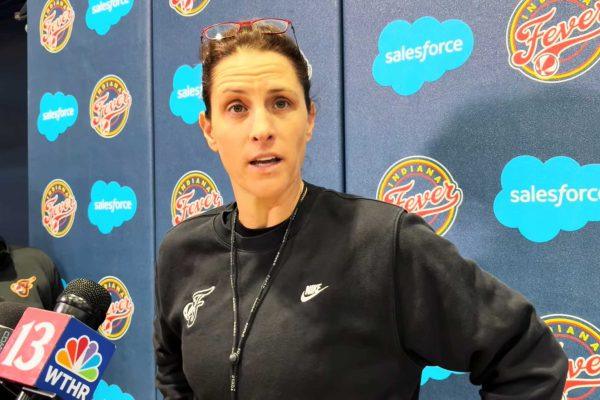
Indiana Fever head coach Stephanie White has drawn a firm line against the rising tide of online hate infiltrating the WNBA. In a press conference at the Fever's training facilities, White addressed the severe safety concerns raised by Phoenix Mercury forward Alyssa Thomas, who received racial slurs and death threats after an aggressive defensive foul on rookie guard Caitlin Clark on June 24. Thomas served a one-game administrative suspension for the play, but the digital backlash has been far more punishing.
White, who coached Thomas for two seasons with the Connecticut Sun, offered an immediate and unequivocal defense of her former player. “I think, first and foremost, it’s absolutely unacceptable,” White told reporters. “As a league, there’s been a lot more toxicity, racism, homophobia, BS, hate, nonsense. And it’s absolutely unacceptable. Most of this comes from the online community. In my heart of hearts, I really believe most of it doesn’t come from WNBA fans or Indiana Fever fans. I think it comes from people who are using our league, using our players, to further divisive agendas. That’s unacceptable.”
Subversive Agendas and Internet Subcultures
Rather than sticking to standard sports platitudes, White delivered a detailed critique of the shifting digital landscape impacting the league during the 2026 season. She mapped out a substantial increase in coordinated bad-faith interactions that go far beyond typical sports analysis. The veteran coach argued that the vitriol does not reflect the authentic women’s basketball fan base, but rather external users exploiting the league’s elevated media footprint.
White’s comments come amid a broader conversation about how online platforms amplify division. The WNBA has seen a surge in viewership and attention, partly driven by Clark’s historic rookie season, but that spotlight has also attracted toxic elements. White emphasized that the psychological harassment directed at Thomas is an artificial byproduct of wider cultural polarization capitalizing on Clark’s media metrics. By drawing this boundary, the Fever organization aims to shield its roster from digital distractions and preserve the league’s competitive integrity.
This incident is not isolated. Earlier this season, Fever guard Sophie Cunningham called out the WNBA for snubbing Clark from a promotional poster, calling it “a joke.” The league has also faced scrutiny over how it handles online abuse, with players like Thomas speaking out about the toll it takes. White’s stance aligns with a growing movement among coaches and players to demand accountability from platforms and fans alike.
For Latino fans who follow the WNBA—whether in México, Puerto Rico, or across the U.S. diaspora—this story resonates beyond sports. It touches on issues of identity, respect, and the misuse of digital spaces to target athletes of color. The league’s diversity, including players of Latin American heritage, makes these conversations particularly relevant. As White put it, the goal is to protect the game and its community from those who seek to divide.
The Fever’s leadership under White signals a commitment to fostering a safe environment for players, both on and off the court. As the season progresses, the league will need to address these systemic issues head-on, ensuring that the WNBA remains a space for authentic competition and fan engagement, not a battleground for political agendas.