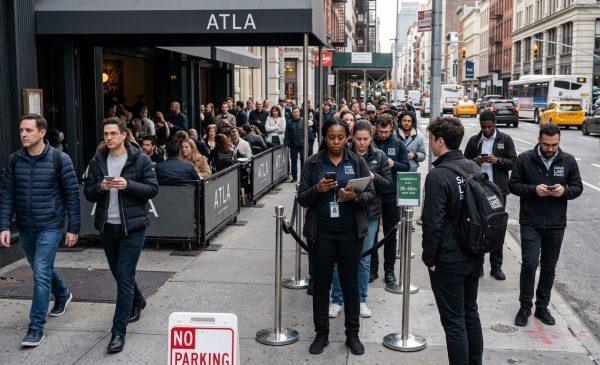
In New York City, where time is money and patience is a luxury, a new business trend has emerged: hiring professionals to wait in line. From trendy restaurants in Brooklyn to exclusive events in Manhattan, companies like Same Ole Line Dudes are turning urban impatience into a profitable enterprise. For bicultural Latinos navigating the city's fast pace, this service offers a way to reclaim personal time without missing out on the experiences that define modern city life.
The Rise of the Line-Sitting Economy
The concept is simple: clients pay a premium hourly rate—typically between $25 and $50—for someone to hold their spot in line. This year, in 2026, demand has surged as New Yorkers and visitors alike seek to bypass waits that can stretch for hours at high-demand venues. The service extends beyond restaurants to include product launches, legal filings, and even securing spots for events like the upcoming FIFA World Cup 2026, which promises to draw massive crowds to the region.
Technology plays a key role in this evolution. Cameras and tracking tools allow clients to estimate wait times with precision, while apps coordinate logistics between the specialist and the customer. This integration of digital tools has made the process seamless, enabling people to maximize their day without sacrificing access to coveted experiences.
Cultural Shifts and Social Status
Standing in line has transformed from a mundane chore into a social ritual, amplified by social media. For many, waiting at a hotspot signals status and belonging, a phenomenon that businesses exploit by hiring people to create artificial crowds. This practice, known as "queue marketing," uses physical presence to build buzz, particularly on major avenues like Fifth Avenue or in neighborhoods like Williamsburg.
Research from the French National Centre for Scientific Research (CNRS) suggests that such rituals provide a sense of group validation, essential for urban cohesion. For Latino communities in New York, where family and community ties are strong, this trend intersects with a desire to participate in exclusive events that define contemporary lifestyle—from Knicks games at Madison Square Garden to cultural festivals in Queens. However, it also raises questions about equitable access, as those who can afford the service gain an edge over those who cannot.
Opportunities for Latino Entrepreneurs
The line-waiting business is not just a convenience for consumers; it's a growing sector ripe for entrepreneurial innovation. As the FIFA 2026 World Cup set to boost Latino-owned businesses across NY and NJ, savvy entrepreneurs can tap into this trend by offering specialized services for event-goers. For example, securing spots for World Cup watch parties or product launches could become a lucrative niche.
Moreover, the trend aligns with broader shifts in urban mobility and time management. How Latino entrepreneurs can seize World Cup 2026 business opportunities includes leveraging line-sitting services to cater to tourists and locals alike. By integrating logistics solutions that address urban challenges, these businesses can thrive in a city where every minute counts.
Debates and Implications
Despite its profitability, the line-waiting industry sparks debate. Critics argue that it exacerbates inequality, turning public spaces into commodities. Others see it as a natural response to the city's relentless pace—a way to outsource inconvenience. For Latino workers, many of whom are employed in service industries, this trend could create new job opportunities but also reinforce class divides.
As New York prepares for the World Cup, the line-sitting business is likely to expand further. New Jersey's Welcome World Rewards: Earn Points and Win 2026 World Cup Tickets by Exploring Local Businesses highlights how local initiatives are already blending incentives with community engagement. Whether this trend becomes a permanent fixture or a passing fad, it reflects a deeper shift in how urban dwellers value time and access.
For now, the NYC line-waiting business stands as a testament to the city's adaptability—a place where even the most mundane activities can become a profitable venture. As Latino communities continue to shape the cultural and economic landscape, this trend offers both challenges and opportunities for those willing to wait—or pay someone else to do it.