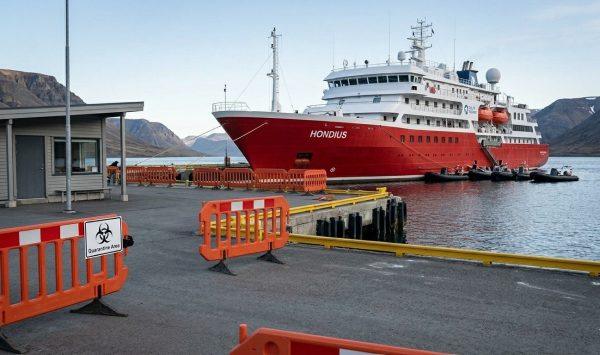
The nightmare aboard the MV Hondius, a luxury cruise ship that departed from Ushuaia, Argentina, has taken a more serious turn. Early Monday morning, a high-security operation transferred 17 American citizens and one British passenger to Omaha, Nebraska, after a Hantavirus outbreak on the vessel. During the repatriation flight, one U.S. passenger tested positive for the Andes strain of the virus, while a second showed a mildly positive result. Both are now in biocontainment units at the University of Nebraska Medical Center, separated from the rest of the group to prevent any risk of transmission.
The outbreak, which has already claimed three lives and left nine people infected, is linked to the Andes strain of Hantavirus. Unlike other variants that spread only through contact with rodent droppings or urine, the Andes strain is the only known type that can pass from person to person. This alarming characteristic has prompted health authorities, including the CDC and the WHO, to implement Level 4 isolation protocols—the highest level of biocontainment.
How the Outbreak Began
According to reports, the virus likely originated from a land excursion taken by a Dutch couple in endemic areas of Argentina and Chile before they boarded the MV Hondius on April 1 in Ushuaia. From there, the virus traveled silently across the ocean, manifesting weeks later with lethal symptoms. The victims include citizens from the Netherlands and Germany, and the ship is now sailing toward Rotterdam with a skeleton crew for deep disinfection.
The situation has activated international alerts, especially because the Andes strain can spread between humans. The incubation period can last up to eight weeks, meaning more cases could emerge. Seven other Americans who disembarked before the outbreak was detected are under monitoring in states including California, Texas, and Virginia.
Biocontainment in Nebraska
The arrival of the repatriated passengers at Eppley Airport in Omaha was no ordinary disembarkation. The medical convoy used biocontainment capsules and hazmat suits to move the passengers to the University of Nebraska Medical Center, a world leader in infectious disease treatment. Each passenger occupies a private room under permanent observation, and epidemiological teams are assessing each individual's exposure level.
This is not the first time the Nebraska facility has handled high-consequence pathogens. It has previously treated patients with Ebola and other dangerous viruses. The protocols in place are designed to ensure that no further spread occurs, both within the facility and beyond.
Despite the high-level measures, the WHO Director-General Tedros Adhanom Ghebreyesus has called for calm, stating that the risk to the general population remains low. However, for the survivors of this luxury voyage, the uncertainty of Hantavirus lingers in every isolation room.
For more on how this outbreak is affecting communities across the U.S., read our earlier report: Hantavirus Outbreak on Cruise Ship Triggers Monitoring in Five U.S. States. And for a deeper look at the origins of the outbreak, see Hantavirus outbreak on cruise from Argentina kills three, leaves others ill.
The MV Hondius, meanwhile, continues its journey to Rotterdam, where it will undergo a thorough disinfection process. The remains of the deceased will be offloaded there. For the families of those affected, the wait for answers continues.