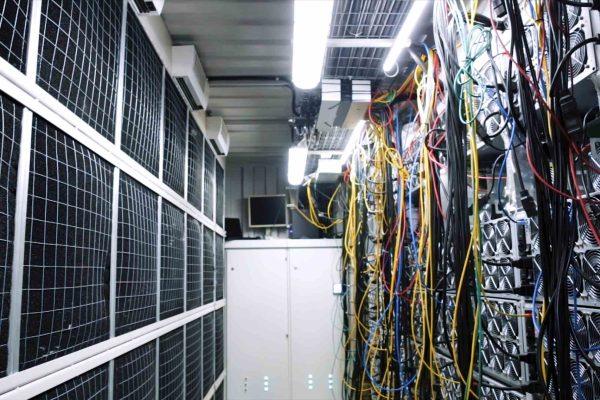
In a decisive move that reflects growing tensions between tech expansion and community well-being, the East Fishkill Town Board in New York’s Hudson Valley voted unanimously to freeze all new large-scale data center projects. The moratorium, effective through July 2029, blocks any authorization for facilities exceeding 20 megawatts—a threshold that would have been dwarfed by a proposed 1,000-megawatt complex from Treetop Development.
The vote came after months of intense public pressure. Residents packed Town Hall meetings, chanting “We can’t drink data,” as they voiced fears over skyrocketing residential power bills and the strain on local water resources. For many in this predominantly suburban area, the issue isn’t about rejecting technology—it’s about protecting the basics: affordable electricity and clean water.
Why the Hudson Valley Is on Edge
The Hudson Valley has long been a patchwork of scenic landscapes and industrial history. But the region’s appeal to data center developers—cheap land, proximity to New York City, and access to power grids—has collided with a painful legacy. East Fishkill sits near three federal Superfund sites, areas designated by the EPA for hazardous waste cleanup. Any large-scale water use for cooling AI-era servers could threaten already fragile aquifers.
Advocacy groups like For The Many have been vocal: the average household in the area already faces some of the highest electricity rates in the state. Adding a data center that could consume as much power as a small city would only worsen the burden. “This isn’t about being anti-tech,” said one organizer at a recent rally. “It’s about making sure our community doesn’t get left with the bill while corporations profit.”
The proposed Treetop Development project would have been ten times larger than any existing data center in New York. Its scale alarmed local officials, who realized that without stricter regulations, the town could become a dumping ground for energy-hungry infrastructure.
A Temporary Pause, Not a Permanent Wall
Councilwoman Marianne Flores emphasized that the moratorium is a strategic pause, not a permanent ban. “We’re buying time to build a smarter framework,” she said. The town plans to assemble a task force of urban planners, environmental engineers, utility directors, and local business owners to craft new standards. These could include mandatory water-recycling systems, minimum energy efficiency benchmarks, and transparent public review processes.
The move goes beyond a statewide moratorium package currently awaiting Governor Kathy Hochul’s signature. East Fishkill’s three-year freeze gives it more time to negotiate terms that prioritize residents over developers. It’s a model that other communities—especially those in Latino-majority areas facing similar pressures from tech expansion—might watch closely.
For Latino families in the Hudson Valley, many of whom are small business owners or renters, the stakes are personal. Rising utility costs hit harder when household budgets are tight. And the threat of water contamination echoes the environmental injustices that have long affected Latino communities across the U.S., from the California schools enrollment crisis to the displacement seen in gentrifying neighborhoods.
As East Fishkill charts its path forward, the message is clear: growth must be sustainable, and the people who live here deserve a seat at the table. The data center giants may have deep pockets, but in this corner of New York, community power is proving just as strong.