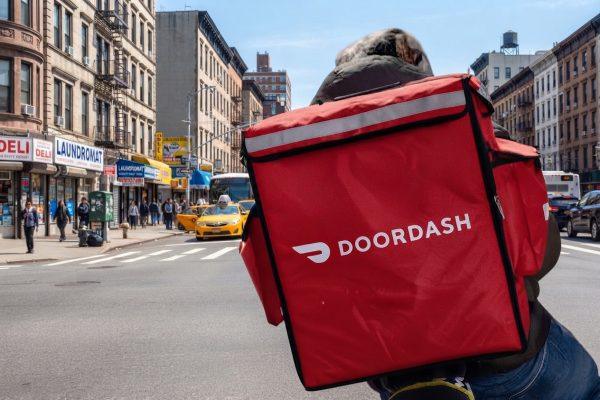
After months of mounting pressure and a citywide investigation, DoorDash has agreed to a landmark $131.5 million settlement with New York City, acknowledging widespread wage calculation errors that shortchanged thousands of delivery couriers. The deal, announced this week, marks one of the largest labor enforcement actions in the city's history and sends a clear signal to the gig economy: algorithmic mistakes have real consequences.
The settlement stems from a probe by the New York City Department of Consumer and Worker Protection (DCWP), which found that DoorDash systematically underpaid workers due to technical glitches, incomplete banking data, and complex deliveries involving multiple pickups or cross-border routes. In some cases, couriers were paid for time they never worked, while others saw their earnings delayed by days or weeks.
Under the terms, DoorDash will distribute $115 million in direct restitution to 264,000 workers across the five boroughs, with an additional $16.7 million going to the city as a civil penalty. The average payout per affected courier is around $48, but the total reflects the scale of the problem—thousands of workers who relied on these earnings to make rent, buy groceries, or send money home to family in places like Puebla, Santo Domingo, or Medellín.
A victory for couriers, a warning for platforms
New York City Mayor Zohran Mamdani called the settlement "the largest labor enforcement action in municipal history," emphasizing that algorithmic transparency is now mandatory for all digital platforms operating in the city. "This is about dignity," Mamdani said. "Workers who hustle every day on our streets deserve to be paid every cent they earn—no exceptions."
The agreement also includes a three-year compliance framework, requiring DoorDash to submit monthly payroll audits to the DCWP. The company has pledged to overhaul its payment software to prevent future errors, including better handling of cross-border deliveries and incomplete banking information.
For many couriers, the settlement is a long-overdue acknowledgment of their struggles. "I've been delivering for three years, and there were weeks when my pay just didn't add up," said Luis, a courier from Queens who asked to use only his first name. "I'm glad the city finally listened."
The case echoes a similar dispute with Uber Eats, which regulators accused of using design tricks to withhold over $550 million in tips. DoorDash's settlement, however, is the first to result in such a massive payout, and it could set a precedent for other cities grappling with gig worker protections.
Industry analysts note that the settlement may reshape how platforms calculate pay nationwide. The Federal Trade Commission is reportedly monitoring the case, and some experts predict sweeping regulatory changes for the entire gig economy. For now, DoorDash's stock barely moved, rising 0.2% in afternoon trading—a sign that investors see this as a manageable cost of doing business.
For Latino workers, who make up a significant share of delivery couriers in New York City, this settlement is particularly meaningful. Many are immigrants who rely on these jobs for survival, and the extra cash—though modest—can make a difference. As one courier put it, "Every dollar counts when you're trying to build a life here."
The settlement also highlights the broader push for worker rights in the gig economy. Florida's minimum wage hike and Amazon's recent pay raise show that pressure on employers is mounting. But for couriers, the fight is far from over. "This is a step," said María, a delivery worker from the Bronx. "But we still need better pay and more respect."
As the city moves forward, the message is clear: gig platforms must be accountable to the workers who power them. And for the thousands of couriers who finally see a payout, it's a small but significant victory.