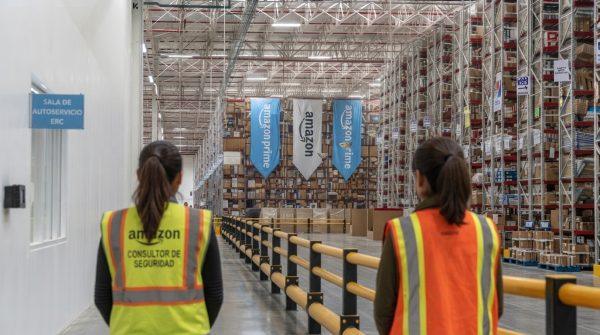
Amazon has announced a significant pay increase for its US workforce, lifting the minimum starting wage to $20 per hour for operations employees. The move, confirmed in September 2026, is part of a broader strategy to improve retention and stay competitive in a tight labor market. According to the company, the average hourly wage for frontline staff will reach $24, with structured step increases over the first three years of employment.
Udit Madan, senior vice president of worldwide operations, emphasized the importance of clear growth paths. "We want employees to see a future here," he said. "These annual increases are designed to reward loyalty and provide financial stability."
The pay bump comes just before the peak shopping season, a time when Amazon typically faces surging demand. By raising wages now, the company aims to ensure adequate staffing in its fulfillment centers and delivery networks. The total compensation package, including benefits, now averages over $32 per hour.
Beyond the paycheck: new benefits for workers
In addition to higher wages, Amazon is introducing two notable benefits. Starting October 1, employees will receive a 10% discount on eligible grocery purchases made through Amazon's online platforms, including items from Whole Foods Market. This discount applies to fresh food, pantry staples, and general merchandise shipped directly by Amazon, as well as delivery and catering orders from Whole Foods.
Another new perk is free membership in First Tech Federal Credit Union, which provides qualifying employees and their families with lifetime banking services. This benefit is designed to help workers build financial stability and plan for the long term.
These additions come as Amazon also offers a 20% discount at Whole Foods stores on most items, excluding gift cards and alcohol. Workers can combine this with coupons and Subscribe & Save to stretch their budgets further.
The company's investment in compensation is substantial, with projections suggesting logistics-related spending could reach $5 billion by the end of the year. This reflects a broader trend in the retail sector, where companies are grappling with high turnover and rising living costs.
According to the Bureau of Labor Statistics, inflation remains near 3.2% annually, putting pressure on workers' purchasing power. Amazon's wage increase is seen as a response to these economic realities, as well as a way to reduce turnover and maintain operational efficiency.
Industry observers note that Amazon's move may influence other employers. Walmart, for instance, reports an average hourly rate of $18.50 for frontline workers and $27.50 for supply chain staff, while Target's starting pay ranges from $15 to $24 depending on role and location. Amazon's new starting wage of $20 positions it competitively within this landscape.
For Latino workers, who make up a significant portion of the logistics and warehouse workforce in many US regions, these changes could have a meaningful impact. As top-paying jobs for Latino workers continue to evolve, Amazon's enhanced benefits may open new doors for financial growth and stability.
The announcement has been met with cautious optimism from labor advocates, who see it as a step in the right direction but stress the need for ongoing improvements. "Higher wages are welcome, but we must ensure that workers have a voice in their workplaces," said one analyst.
As the holiday season approaches, Amazon's investment in its workforce will be closely watched. The company's ability to balance competitive pay with operational demands will likely shape its success in the months ahead.