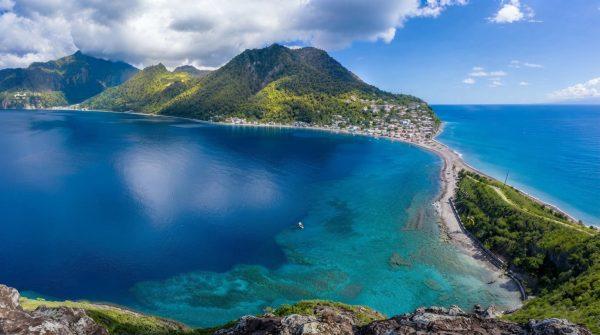
Forget the postcard-perfect beaches of the Bahamas or the all-inclusive resorts of Cancún. There's a Caribbean island that's trading white sand for volcanic peaks, and it's capturing the attention of travelers who crave something deeper. Dominica, the Commonwealth of Dominica, sits quietly in the Windward Islands, between the French territories of Guadeloupe and Martinique. It's not the Dominican Republic—that's a different country on the island of Hispaniola. This is a place where nature is the main attraction, and the tourism industry is built around protecting it, not paving over it.
Dominica's dramatic geography is its calling card. The island is essentially a volcanic mountain range rising from the sea, covered in dense rainforest and laced with rivers that feed countless waterfalls. Hiking trails cut through the interior, leading to viewpoints that overlook the Caribbean Sea and the Atlantic Ocean. The Boiling Lake, a flooded fumarole, is one of the world's largest hot springs and a challenging but rewarding trek. Trafalgar Falls, a pair of cascades that plunge into natural pools, is a more accessible taste of the island's raw beauty.
What sets Dominica apart is its commitment to conservation. The island has embraced a model of eco-tourism that limits mass tourism and prioritizes environmental protection. National parks and protected areas cover a significant portion of the land, and park rangers enforce strict carrying capacities to prevent damage to trails and ecosystems. The result is an unspoiled landscape where endemic species thrive, and visitors can experience the Caribbean as it was centuries ago.
This approach is not just about preserving nature; it's also about sustaining local communities. A significant portion of park entry fees is reinvested into local infrastructure, and community-led tourism initiatives ensure that the economic benefits stay on the island. Travelers can stay in eco-lodges powered by solar and hydroelectric energy, dine on locally sourced Creole cuisine, and buy crafts from artisans who are preserving traditional techniques. It's a model that other Caribbean destinations are starting to take note of.
Getting to Dominica is part of the experience. The island's main airport, Douglas-Charles, receives limited international flights, which naturally regulates the number of visitors. This means fewer crowds and a more intimate connection with the landscape. For those who make the journey, the rewards are immense: hidden waterfalls, black-sand beaches, and a sense of discovery that's increasingly rare in the region.
Dominica's rise as a top eco-tourism destination is part of a broader shift in how travelers view the Caribbean. As more people seek meaningful experiences over mere relaxation, islands like Dominica are leading the way. The budget-friendly travel options in the region also make it accessible to a wider range of explorers. And for those who love the region's music, the sounds of soca and dancehall are never far away, even on this nature-focused island.
For the bicultural Latino traveler, Dominica offers a chance to connect with the Caribbean's African and indigenous heritage in a way that feels authentic. The island's culture is a blend of Kalinago, African, and European influences, and its people are proud of their history. The Kalinago Territory, an autonomous region in the island's interior, is home to the indigenous Kalinago people, and visitors can learn about their traditions and crafts.
As the world's wanderlust shifts toward sustainable and immersive travel, Dominica stands out as a beacon. It's not just a place to visit; it's a philosophy. The island's motto, "Après Bondié, C'est la Ter" (After God, the Earth), sums it up perfectly. In Dominica, the land is sacred, and tourism is a way to honor it, not exploit it.
So, if you're dreaming of a Caribbean escape that goes beyond the beach, consider Dominica. It's an island that will challenge you, inspire you, and leave you with a profound respect for the power of nature. And as you plan your trip, remember that the Caribbean is full of private islands and celebrity hideaways, but Dominica offers something more valuable: a chance to connect with the earth and its people.