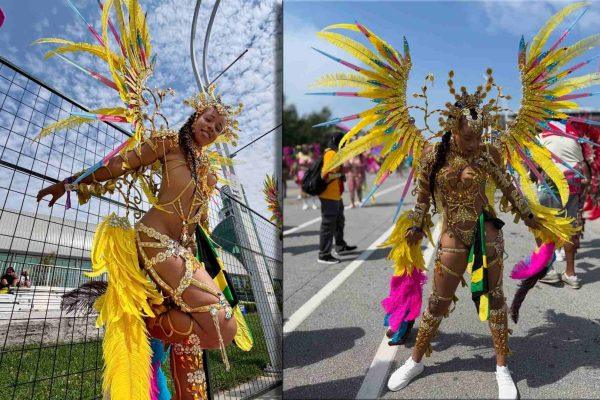
This summer, the Caribbean's musical heartbeat is pulsing through major cities far beyond the islands. Toronto's Caribbean Carnival, which wrapped up earlier this month, and London's Notting Hill Carnival, set for August 29-31, are proving that soca, dancehall, and carnival culture are global phenomena. But as these sounds flood social media feeds, it's easy to forget they come from specific places with rich histories.
Not All Caribbean Music Is the Same
Social media often lumps Caribbean genres into a single "island vibe," but that's a mistake. Soca, born in Trinidad and Tobago from calypso, is deeply tied to Carnival's road marches and costume bands. Dancehall, on the other hand, emerged in Jamaica with its own rhythmic language and performance style. Reggae, calypso, and the diverse sounds of Haiti, the Dominican Republic, Puerto Rico, Cuba, and the French Caribbean each have distinct identities. They influence each other, but proximity doesn't mean sameness. For Latino listeners, recognizing these differences is key to appreciating the music's true depth.
This distinction matters now more than ever, as the sounds travel effortlessly across borders. The same rhythmic vocabulary that powers a dance challenge on TikTok also drives the streets of Toronto and London. But the context is everything. Carnival isn't just a backdrop; it's the infrastructure that shapes the music. Songs built for the road—meant to be played loud, in the sun, surrounded by thousands—carry a different energy than those crafted for headphones. Social video captures a fragment, but it can't replicate the full experience of mas bands, steel pans, and the collective movement of a parade.
From Algorithm to Understanding
Today's discovery equation is simple: a track appears in a viral video, gets saved, remixed, and becomes a global hit before listeners know the artist's nationality. That's not a crime—discovery has always been messy. But there's a difference between enjoying a sound and understanding it. For publishers and fans alike, the opportunity is to go beyond the "songs of summer" list and map the music: Who made it? Which island or diaspora does it come from? What dance goes with it? Which producers are shaping the sound? Give the algorithm a backstory.
This is especially relevant for Latino audiences because Caribbean influence has always crossed language lines. Puerto Rico, the Dominican Republic, and Cuba share a region with Jamaica, Haiti, and Trinidad, where English, French, or Creole dominate. Musicians hear each other, migrants share sounds, and DJs blend them. Reggaetón itself is unthinkable without its roots in Jamaican dancehall and Panamanian reggae en español. So today's soca and dancehall circulation isn't a new crossover—it's another chapter in a long Caribbean conversation.
For those who want to dig deeper, the path is simple: when a song takes over your feed, click the artist's name. If a dance move becomes a party staple, learn its name. If a Carnival clip looks stunning, understand what mas means before treating it as just an aesthetic. This curiosity transforms the Caribbean from a generic summer mood into a network of places, people, and histories that continue to shape global pop culture. The beat may arrive through your phone, but its story started long before the algorithm.
As you build your summer playlist, consider the Caribbean tribute to García Márquez by Carlos Vives and Juan Luis Guerra, or check out how Latin rave culture is evolving. And if you're looking for fresh anthems, Ozuna and Omar Courtz's 'Zizi' might be your next obsession. The Caribbean's influence is everywhere—if you know where to look.