This week, a powerful line of thunderstorms swept across the U.S. East Coast, bringing air travel in the New York metropolitan area to a near standstill. The Federal Aviation Administration (FAA) imposed strict ground stops at LaGuardia Airport and Newark Liberty International Airport, two of the busiest hubs in the region, as dangerous weather conditions—including flood and tornado warnings—made takeoffs and landings impossible for hours.
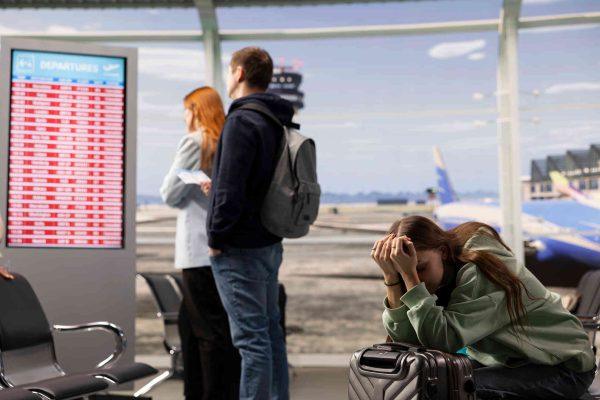
According to flight-tracking data, more than 2,000 commercial flights were canceled, and another 5,000 experienced significant delays. The chaos stranded thousands of passengers, many of whom spent hours waiting in crowded terminals as airlines scrambled to rebook travelers. The disruptions come at a particularly challenging time, as the region is already bracing for an influx of visitors ahead of major events, including the upcoming World Cup. For context on how such storms affect large-scale gatherings, see our piece on New York Braces for Severe Storms as World Cup Crowds Flood the Region.
Ground Stops and Operational Chaos
The FAA’s ground stop orders effectively halted all departures and arrivals at LaGuardia and Newark for extended periods, while John F. Kennedy International Airport also saw heavy delays. Travelers reported wait times of four hours or more, and many were forced to sleep at the airports overnight. The storms, which moved through the Northeast with unusual intensity, also triggered flash flood warnings and power outages in parts of New York City and New Jersey.
Airline crews and ground staff have been working around the clock to manage the avalanche of rescheduling requests. However, the sheer volume of affected passengers has overwhelmed customer service lines and airport counters. For those whose travel plans were upended, the situation has been frustrating, but airlines have begun implementing flexible rebooking policies.
Travel Alternatives and Refund Options
In response to the crisis, major carriers including JetBlue, United Airlines, and American Airlines have activated fee waiver policies, allowing passengers to change their flights without the usual penalties. Travelers whose flights were canceled or significantly delayed are also entitled to request a full refund to their original form of payment, as per U.S. Department of Transportation guidelines.
“We understand how disruptive this is for our customers, especially those traveling with family or for important events,” a JetBlue spokesperson said. “We are doing everything we can to get people to their destinations as quickly and safely as possible.” The airline recommends that passengers use its mobile app to rebook or check the status of their flights before heading to the airport, as conditions continue to evolve.
For those with upcoming travel through the region, it’s worth noting that the storm’s impact may ripple through schedules for days. If you’re planning a trip, keep an eye on updates from your airline and consider flexible booking options. The situation also highlights the importance of travel insurance, especially during peak storm seasons.
While the immediate focus is on getting stranded passengers home, the disruption also serves as a reminder of how vulnerable air travel can be to extreme weather—a reality that resonates across Latin America, where storms frequently affect hubs like México City’s Benito Juárez International Airport or Bogotá’s El Dorado. For now, travelers in the New York area are advised to stay patient and stay informed.