For many Latino families, traveling to the United States means carrying more than just a passport and a dream. Whether you're visiting relatives in Los Angeles, attending a festival in Chicago, or heading to a business meeting in Miami, cash often plays a central role in the journey. But what happens when that cash exceeds a certain amount? The answer lies in a set of federal rules that, if ignored, can turn a joyful reunion into a financial nightmare.
U.S. Customs and Border Protection (CBP) requires anyone entering or leaving the country to report any amount of currency or monetary instruments totaling more than $10,000 USD. This isn't a suggestion—it's a legal obligation. The form you'll need to fill out is the FinCEN 105, and it applies to individuals, families, and even groups traveling together. If you're traveling with your spouse and children, the $10,000 threshold applies to the combined total of everyone in your party, not just what you personally carry.
What counts as 'monetary instruments'?
Many travelers assume the rule only applies to physical cash—paper bills and coins. But the definition is much broader. It includes traveler's checks, money orders, cashier's checks, and promissory notes. Even if you're carrying a mix of these items, you must add up their total value. If the sum exceeds $10,000, you must declare it. This is a common point of confusion, and it's one that has led to many unexpected seizures at airports and border crossings.
The penalties for not declaring are severe. CBP can confiscate the entire amount, even if the money comes from a completely legal source. Fines can reach up to $500,000, and in extreme cases, you could face up to 10 years in prison. These aren't just theoretical numbers—they've been applied to real travelers, many of whom had no intention of breaking the law. The key is to be transparent and honest from the moment you interact with a customs officer.
Honesty is your best policy
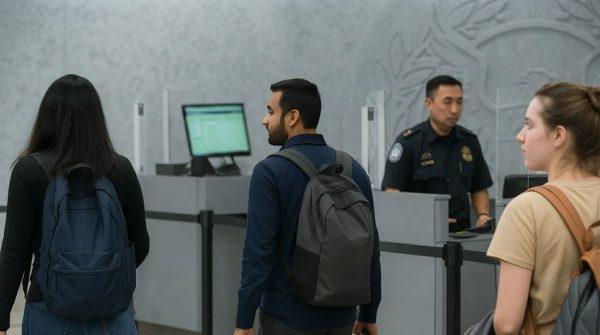
When a CBP officer asks about the money you're carrying, answer directly and truthfully. Trying to downplay the amount out of nervousness or habit will only raise suspicion. Officers are trained to detect inconsistencies between what you say and what you actually have. If they find a discrepancy, you'll likely face a secondary inspection, which can involve detention and confiscation of the funds.
It's also important to ensure that your story adds up. If you say you're visiting for a week, but you're carrying $15,000 in cash, be prepared to explain why. Officers will cross-reference your travel plans, your financial situation, and the amount you're carrying. Having documentation—like bank withdrawal receipts, proof of income, or a letter explaining the purpose of the funds—can make a huge difference. This is especially relevant for those who might be carrying money to help family members or to make a large purchase, a common scenario for many in the Latino community.
If you face a language barrier, don't hesitate to request an interpreter. CBP provides translation services, and using them can prevent misunderstandings that could cost you dearly. Never sign a document you don't fully understand. The American Bar Association advises that you have the right to an interpreter, and exercising that right is a sign of prudence, not weakness.
Practical tips for a smooth entry
Before you travel, check the latest CBP guidelines. Rules can change, and what was true last year might not be true today. Keep meticulous records of where your money came from—whether it's savings, a business transaction, or a gift from a relative. This documentation will be your best defense if you're selected for a secondary audit.
It's also wise to consider alternatives to carrying large amounts of cash. Bank transfers, prepaid cards, or traveler's checks can be safer and more convenient. But if you must carry cash, declare it. The process is straightforward: you fill out the form, answer a few questions, and you're on your way. The vast majority of travelers who declare their funds have no issues.
For those who are planning to send money to family or handle finances across borders, understanding these rules is just as important as knowing the exchange rate. It's part of being a savvy traveler in a globalized world. And if you're worried about other financial pitfalls, you might want to check out our piece on AI money tools and their risks for Latino families.
Remember, the goal of these regulations is to combat money laundering and other financial crimes, not to punish honest travelers. By being transparent, you're not only protecting your own money but also contributing to a system that keeps our communities safe. So next time you pack your bags for a trip to the U.S., take a moment to count your cash—and if it's over $10,000, declare it with confidence. Your wallet will thank you.