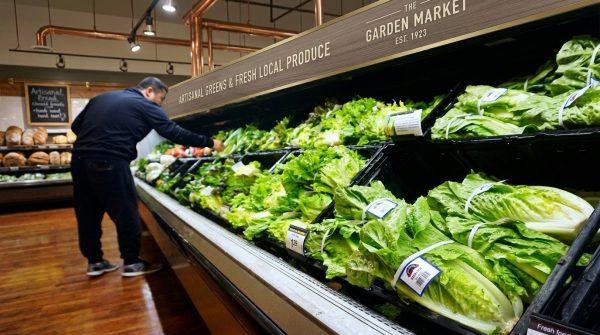
A surge in cyclosporiasis cases across the United States has put public health authorities on alert, with the parasite now detected in 34 states. The outbreak, linked to fresh produce like basil, cilantro, lettuce, and raspberries, has caused prolonged bouts of watery diarrhea, prompting families to reexamine their kitchen routines. In New York state alone, 129 cases were confirmed by July 8, 2026—far above the typical 20 to 55 reports. New York City has been hit especially hard, with 381 patients, tripling the numbers from the same period last year.
Major fast-food chains have taken precautionary steps. Taco Bell, for instance, temporarily removed guacamole and lettuce from menus in several locations, though the company states its supplies have not been directly linked to the outbreak. The Food and Drug Administration continues tracing agricultural products as part of an ongoing investigation.
Why Standard Sanitizers Won't Work
Dr. Erika Noel, a pediatrician and assistant professor at the University of Hawaii School of Medicine, warns that alcohol-based hand sanitizers are ineffective against Cyclospora cysts. “Basic hygiene starts with thorough hand washing using soap and water,” she emphasizes. The resilience of these cysts means that proper food handling at home becomes the primary line of defense.
Experts advise against relying on pre-washed or “ready-to-eat” labels. Instead, they recommend purchasing whole produce so you can remove outer layers and wash each item thoroughly. Monitoring symptoms in the weeks after consuming fresh vegetables can help catch infections early, allowing for timely treatment and preventing complications for vulnerable family members.
How to Clean Your Produce Safely
- Cilantro and basil: Wash leaf by leaf under abundant running water.
- Scallions: Remove roots and wilted outer layers before a gentle rinse.
- Lettuce: Separate all leaves to ensure deep cleaning of every part.
- Heat treatment: Cooking vegetables to 70°C (158°F) eliminates cysts completely.
- Vinegar soak: A mixture of 3 parts water to 1 part vinegar helps detach parasites from leaves.
- Filtered water: Use filtered water for the final rinse to avoid recontamination.
These steps are especially important for families who regularly cook with cilantro, a staple in many Latino kitchens. For more details on which foods to avoid during this outbreak, check out our guide on 5 high-risk foods and safer alternatives.
Health specialists stress that cleaning fresh produce acts as the main barrier against Cyclospora. Adopting these daily practices allows families to continue enjoying vegetables with peace of mind. Staying informed through official FDA updates is also crucial, as epidemiological tracing determines which specific crops pose higher risks.
For Latino households, where fresh herbs and vegetables are central to daily cooking, this outbreak underscores the importance of food safety knowledge. As authorities work to identify the source, families can take control by following these simple but effective hygiene protocols.