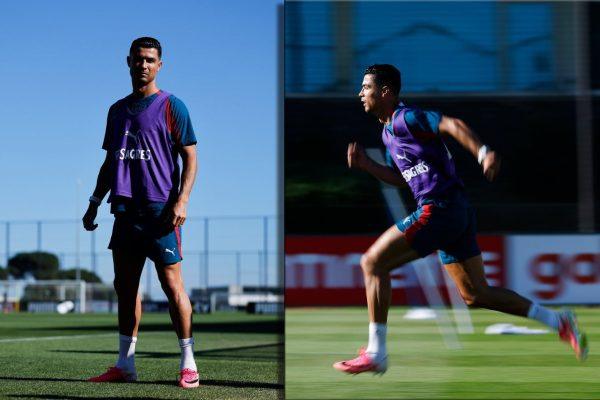
Portugal arrives at the 2026 FIFA World Cup with one of the deepest squads in the tournament, yet a familiar question shadows their campaign: does starting Cristiano Ronaldo compromise the team's tactical fluidity? The 41-year-old forward, still the face of Portuguese football, remains an automatic selection under manager Roberto Martínez, but analysts increasingly argue that his presence forces the team into a rigid structure that limits their high-pressing game and overall dynamism.
The Administrative Edge and Record Chases
Ronaldo's path to the group stage was smoothed by a controversial FIFA decision that converted a potential red-card suspension into a conditional penalty, allowing him to play in the opening matches against the Democratic Republic of the Congo and Uzbekistan. This administrative move came shortly after a private dinner with Donald Trump at the White House, raising eyebrows across the football world. On the pitch, Ronaldo aims to become the first player to score in six different World Cup cycles, a milestone that would cement his legacy further. Yet, historical data suggests Portugal often plays with more freedom without him: a 9-1 thrashing of Armenia during his absence stands as a stark reminder of the team's potential when not built around a static forward.
For a deeper look at how Ronaldo's pursuit of 1,000 career goals compares to Lionel Messi's, check out our analysis of the race to 1,000 goals.
Midfield Wealth Creates a Logjam
Portugal's midfield is arguably the best in the world, anchored by Bruno Fernandes, Bernardo Silva, Vitinha, and João Neves. This quartet offers creativity, vision, and relentless energy—qualities that demand a mobile forward to link play and stretch defenses. Instead, Martínez must accommodate Ronaldo's reduced off-the-ball movement, which often forces the midfield to operate in tighter spaces. The ripple effect extends to the wings: high-value talents like Rafael Leão and João Félix—the latter fresh off winning Player of the Year in the Saudi Pro League—find themselves competing for limited minutes or shifted into unnatural roles. This internal competition, while a testament to depth, also highlights a coaching challenge: how to deploy a multi-faceted attack when the central figure is immovable.
As the debate over Ronaldo's role intensifies, it's worth revisiting Ángel Di María's take on the Messi-Ronaldo dynamic, where he argued that natural genius trumps relentless work—read more in our interview with the Argentine star.
Legacy, Records, and the Argentina Shadow
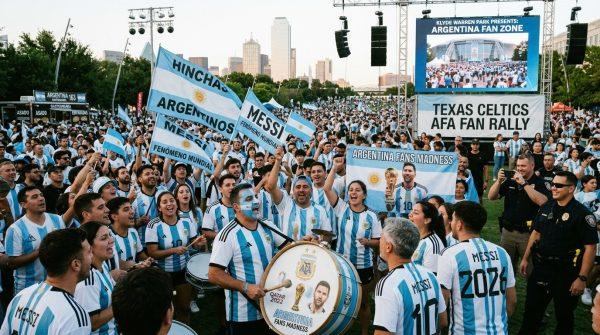
Ronaldo's statistical imprint on Portuguese football is undeniable: before his debut, the nation had only three World Cup appearances; 2026 marks his sixth consecutive tournament. He has scored 143 international goals, but his World Cup knockout production lacks the decisive moments of legends like Eusébio. This gap fuels the narrative that Portugal's success may come despite Ronaldo rather than because of him. The ultimate test could come in a projected quarterfinal clash in Kansas City against Lionel Messi's Argentina—a matchup that would serve as a final commercial showcase for football's greatest rivalry. For more on how that potential meeting could unfold, see our breakdown of the Argentina-Portugal path.
Beyond the pitch, Ronaldo's business empire continues to grow, from hotels to hair clinics—explore the commercial side of the star's legacy.
Ultimately, Portugal's World Cup fate rests on whether Martínez can leverage his bench depth effectively and find a system that maximizes both Ronaldo's finishing and the team's collective energy. The answer will define not just a tournament run, but the final chapter of a career that has reshaped Portuguese football.