Summer in California usually means beach trips, backyard barbecues, and long evenings out—but this year it also means a noticeable uptick in COVID-19 cases. The California Department of Public Health reports that test positivity has risen significantly over the past few weeks, and wastewater monitoring in cities like San Francisco, Los Angeles, and San Jose shows elevated viral concentrations. It's a familiar pattern, one that epidemiologists say we should expect every warm season.
Why summer brings a COVID bump
According to researchers at the University of California, San Francisco, the summer surge is driven by a mix of human behavior and biology. Warm weather encourages people to gather indoors less, but it also fuels travel, festivals, and crowded events—especially in urban centers like Los Angeles and the Bay Area. At the same time, antibodies from previous infections or vaccinations wane over months, leaving more people susceptible. The virus finds those windows and spreads, particularly in communities with lower booster uptake.
This isn't just a California story. Federal agencies are tracking similar increases in Texas, Florida, Oregon, and Hawaii. The CDC notes that clinical test positivity has crept upward nationally, though the rise is gradual rather than explosive. The good news: severe hospitalizations remain far below earlier peaks, thanks to accumulated immunity and effective antiviral treatments like Paxlovid.
What health officials are watching
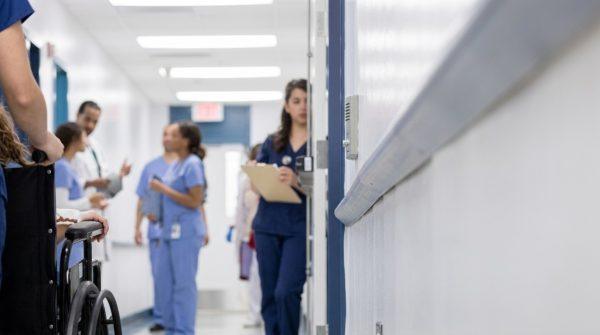
Kaiser Permanente specialists confirm a slight increase in outpatient visits across Southern California, but hospitals are not overwhelmed. University and community medical centers report operating without excessive care pressure, and the vast majority of current cases are mild. Still, public health departments are urging continued vigilance, especially for older adults and those with underlying conditions.
The CDC recommends that everyone stay up to date on vaccinations, and specifically that those who haven't yet received the 2025-2026 version do so this summer. An updated formula for the 2026-2027 cycle is expected in the fall, but waiting isn't advised for high-risk groups. Adults over 65, immunocompromised individuals, pregnant women, infants, and people with diabetes, obesity, asthma, or cardiovascular disease should prioritize getting the shot now.
Early diagnosis remains key. The World Health Organization emphasizes that timely testing and access to antivirals can significantly reduce the risk of severe complications. If you feel symptoms, get tested and talk to a clinician about treatment options.
For many Latinos in California, this summer's wave hits close to home. Our communities often include multigenerational households and essential workers who face higher exposure. It's a reminder that COVID hasn't disappeared—it's become a seasonal reality, much like the flu. But the tools we have now are powerful, and the experience gained since 2020 has strengthened our collective response.
As you plan your summer activities, consider a quick check of your vaccination status. And if you're heading to a crowded event or visiting older relatives, a rapid test before you go can make a difference. The state's public health department continues to provide free tests and updated guidance.
For more on how California is adapting to new health challenges, see the state's AI transparency law and the affordability crisis driving families away. And for a lighter take on summer trends, check out boardwalk pants—a style that's making waves across Latin America.