A federal judge has temporarily stopped the construction of new border barriers in the ecologically fragile Big Bend region of West Texas. U.S. District Judge Kathleen Cardone issued a preliminary injunction that halts all construction and ground-disturbing activities across the sector, a move that environmental advocates and local landowners have been pushing for.
The ruling responds to a lawsuit filed by the Center for Biological Diversity, Friends of the Ruidosa Church, and several private landowners who depend on the river ecosystem. They argued that the Department of Homeland Security's project would cause irreversible harm to the region's natural habitats and historical cultural sites. After a hearing in El Paso, Judge Cardone determined that the plaintiffs are likely to succeed on at least one of their legal claims, justifying the immediate pause.
Scope of the injunction
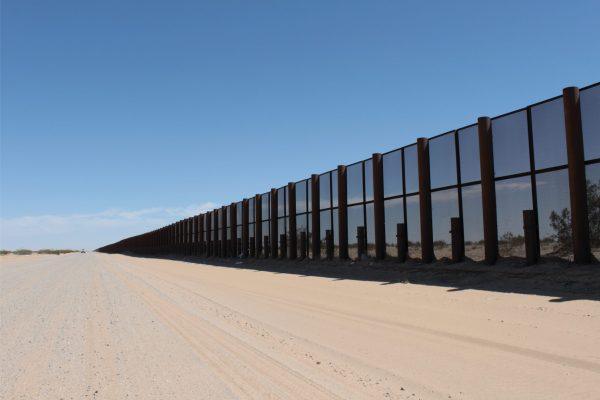
The court order covers roughly 517 miles overseen by U.S. Customs and Border Protection in the Big Bend sector. This includes protected lands such as Big Bend National Park and Big Bend Ranch State Park, as well as private properties along the Rio Grande. The government's plans involved installing 30-foot steel bollard fences, vehicle barriers, access roads, and high-tech surveillance systems funded through multi-billion-dollar border contracts.
For many in the region, the wall represents more than a physical barrier—it threatens the very character of the land. The Big Bend is known for its dramatic desert landscapes, diverse wildlife, and deep cultural history, including centuries-old missions and ranching traditions. Local residents and conservationists have long argued that the wall would sever ecosystems and disrupt the natural flow of the river corridor.
The injunction is a significant victory for those who have fought against the wall, but it is not the final word. The federal government defended the project by classifying the Big Bend sector as a high-entry area requiring rapid security enhancements. They argued that legal waivers were necessary to expedite construction without administrative delays. However, this preliminary injunction suspends those waivers while the case proceeds, leaving the ultimate fate of the wall to be decided in court.
This is not the first time border wall construction has faced legal challenges in Texas. In recent years, similar lawsuits have been filed in other parts of the state, often with mixed results. The Big Bend case stands out because of the region's unique ecological and cultural significance, which resonated with the judge.
For now, the pause offers a moment of relief for the environment and for the communities that call this area home. But the fight is far from over. As the legal process unfolds, many will be watching to see whether the wall ultimately rises or whether the desert remains open and wild.
In the meantime, the region continues to face other challenges, from flash flood threats to the broader impacts of border policy on local communities. The Big Bend's story is one of resilience, and this ruling is a reminder that the land and its people still have a voice.