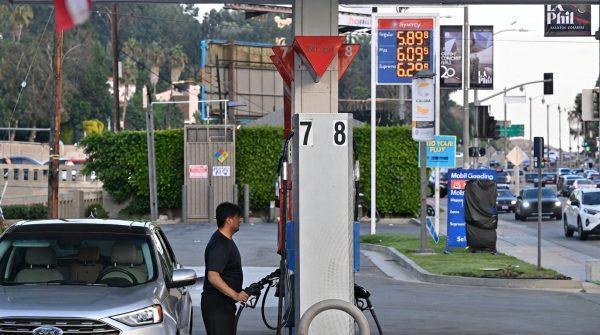
Drivers across California have been feeling the pinch at the pump, with average regular gasoline prices hitting $6.38 per gallon in late September 2026, according to the American Automobile Association (AAA). That's a sharp jump from $4.66 a year earlier and nearly $2 more than the national average of $4.46. In response, Governor Gavin Newsom has announced emergency measures to increase fuel supply and bring some relief to commuters.
The state is fast-tracking the switch to winter-blend gasoline, which is cheaper to produce and typically used later in the year. Normally, California requires a special summer blend to reduce ozone pollution, but that rule is being temporarily suspended. The governor's directive allows refineries, importers, and distributors to start making and selling winter-blend fuel weeks ahead of schedule, with the goal of flooding the market and driving prices down.
Why prices are so high
Several factors are pushing prices up. International oil market volatility, including the ongoing conflict between the United States and Iran, has added an estimated $120 billion in extra fuel costs for Americans over the past seven months, according to the U.S. Energy Information Administration. California's own strict environmental regulations also add to the cost of refining and distributing fuel in the state.
Governor Newsom has pointed to federal policies and global disruptions as key culprits, while energy experts note that California's unique fuel standards make it more vulnerable to supply shocks. The state's refineries are already adapting their production schedules to meet the temporary regulatory changes, and the California Energy Commission is publishing wholesale market data to increase transparency.
For many Latino families and workers across the state, high gas prices are more than an inconvenience—they're a strain on already tight budgets. From the Central Valley to the Inland Empire, people are feeling the impact of every dollar spent at the pump. The new measures aim to ease that burden, but analysts caution that relief won't be immediate.
"We're seeing a temporary fix, not a long-term solution," says energy analyst María González, who tracks West Coast fuel markets. "The winter-blend switch will help, but global instability and California's regulatory landscape mean prices could remain volatile."
State officials are also reminding drivers to check prices at different stations and consider fuel-efficient driving habits. Simple steps like keeping tires properly inflated and planning trips can help stretch a tank of gas further.
As the winter-blend fuel reaches distribution networks, forecasters expect prices to moderate gradually. But the path forward depends on how quickly refineries can ramp up production and whether global oil markets stabilize. For now, California drivers are watching the pumps closely, hoping the state's emergency orders deliver the relief they promise.
For more on how California is handling other challenges, check out the return of Tulare Lake and the new heat risk tool.