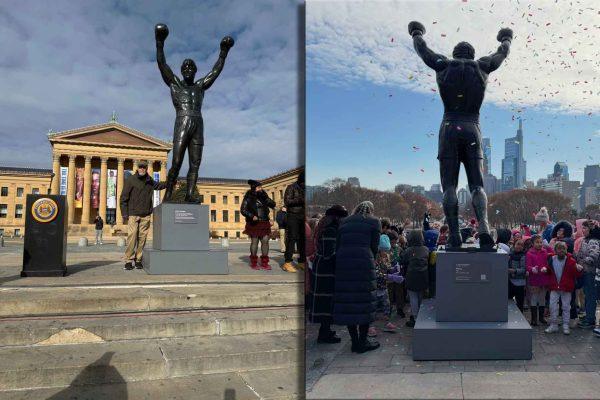
Philadelphia’s famous Rocky Balboa statue became the latest battleground in one of football’s fiercest rivalries this week, as traveling Brazilian supporters pulled off a cheeky stunt ahead of the 2026 FIFA World Cup. Dressed in their signature yellow and green, a group of fans draped the bronze statue in an official Argentina national team jersey, invoking a well-known local superstition meant to bring bad luck to the opposing side.
The scene unfolded at the foot of the Philadelphia Museum of Art’s iconic steps, a landmark immortalized by Sylvester Stallone’s 1976 film Rocky. For decades, the statue has been a pilgrimage site for sports fans, but it also carries a peculiar curse: according to Philadelphia folklore, placing a rival team’s colors on the statue jinxes that team. By wrapping the statue in Argentina’s light blue and white stripes, the Brazilian fans aimed to symbolically curse their neighbors from the south.
A Superstition with Deep Roots
The tradition is well-known among Philadelphia sports fans, who have long used the statue as a good-luck charm or a hexing tool. When visiting fans or opposing teams place their flags or jerseys on Rocky, locals believe it triggers a streak of misfortune for that team. The Brazilian contingent, aware of this lore, decided to weaponize it against Argentina, their historic rivals in South American football.
“It’s a classic piece of fan banter,” said a Brazilian supporter who participated in the stunt. “We know how superstitious football fans can be, and Philadelphia has this amazing tradition. Why not use it to give Argentina a little extra bad luck?” The act was captured on video and quickly spread across social media, drawing reactions from fans in Brazil, Argentina, and beyond.
The timing was particularly pointed: Brazil was in Pennsylvania to prepare for their Group C match against Haiti, not Argentina. But the rivalry transcends any single fixture. As one fan put it, “We don’t need to be playing them to want them to lose.”
World Cup Culture Meets Local Tradition
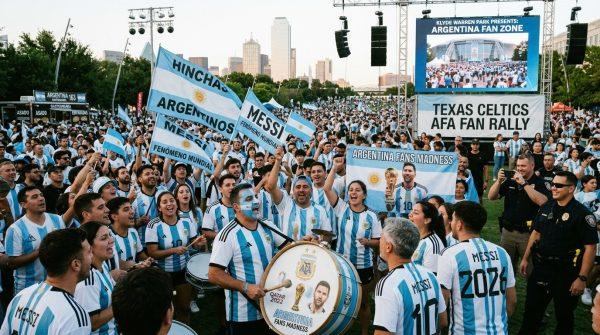
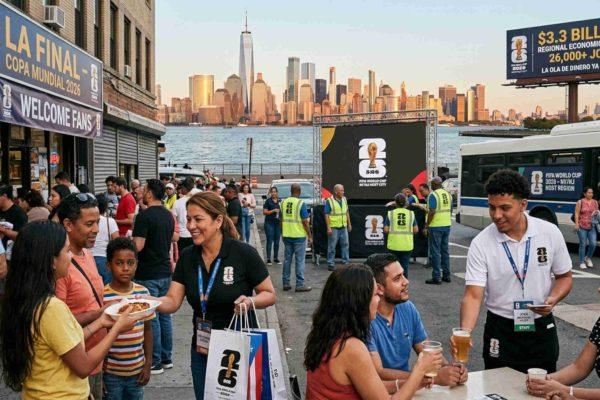
The 2026 World Cup, co-hosted by the United States, Canada, and Mexico, has already produced moments where global football culture collides with local customs. In New York, Morocco fans took over Times Square while Brazilian supporters brought samba to the streets. In Philadelphia, the Rocky statue stunt became a viral symbol of how fans adapt regional traditions to fuel international rivalries.
“This is what the World Cup is about—passion, creativity, and a little bit of mischief,” said a spokesperson for the Philadelphia sports commission. “We welcome all fans, even if they’re trying to hex Argentina.” The stunt was peaceful and drew no complaints from local authorities, who noted that similar acts have occurred during past sporting events in the city.
For Brazilian fans, the gesture was also a nod to their own rich football culture, where superstition and ritual play a significant role. From wearing lucky jerseys to performing elaborate pre-match dances, Brazilian supporters are known for their inventive ways to influence the game. The Rocky statue prank was simply the latest example.
Meanwhile, Argentina’s own World Cup campaign has been eventful. Lionel Messi’s hat trick powered Argentina past Algeria in their opener, and the team is preparing for further group-stage matches. Whether the Rocky curse will have any effect remains to be seen, but for now, Brazilian fans are enjoying the psychological victory.
The incident also highlights the unique atmosphere of a World Cup hosted across multiple North American cities. Philadelphia, known for its passionate sports fans, has embraced the tournament’s global energy. The Rocky statue, already a symbol of perseverance and underdog triumph, now carries a new layer of meaning as a site of international football rivalry.
As the tournament progresses, fans from both Brazil and Argentina will be watching closely—not just the scores, but also the statue. If Argentina stumbles, expect Brazilian fans to claim credit for the hex. If not, well, there’s always the next World Cup.