The Target Center in Minneapolis turned into a pressure cooker on Saturday night as the Indiana Fever faced the Minnesota Lynx. From the moment Sophie Cunningham stepped onto the court, the boos rained down—a chorus of disapproval that followed her every move. The hostility, fueled by her public stance on women's sports, reached a boiling point in the second quarter when a bizarre officiating decision turned the game into a flashpoint.
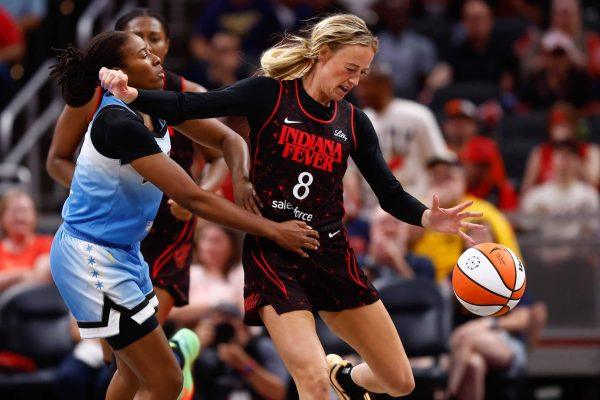
With the Fever battling for possession, Cunningham took a hard elbow directly to the face from her opponent. The impact was visible, the kind of play that usually draws a whistle for a flagrant foul. But instead, the referees called a foul on Cunningham, leaving players, coaches, and broadcast analysts stunned. Even a video review failed to overturn the call, and the crowd's boos turned into a deafening roar of disbelief.
The incident has reignited a heated debate about officiating consistency in the WNBA, especially in games with high emotional stakes. For Cunningham, it was just the latest chapter in a season defined by off-court controversy as much as on-court performance.
A season of polarization
The roots of this animosity trace back to an interview Cunningham gave earlier this year, where she voiced her commitment to protecting competitive fairness in women's athletics. Her comments, which align with conservative viewpoints, have made her a lightning rod in a league that has become increasingly vocal on social issues. While some fans and players applaud her courage, others see her as a divisive figure, and the backlash has followed her to every arena.
In Minnesota, the tension was palpable even before tip-off. Lynx head coach Cheryl Reeve wore a shirt with a message that seemed to reference the controversy, a move that only amplified the narrative. The crowd, already primed by the pregame atmosphere, turned every Cunningham touch into a cacophony of jeers.
The officiating controversy, however, overshadowed the game itself. Social media exploded with clips of the elbow, many questioning how the referees could have missed such an obvious foul. The debate over Cunningham's politics has now merged with a broader critique of the league's refereeing standards.
For Cunningham, the focus remains on basketball. "I'm here to play," she said after the game, her voice steady despite the chaos. "The noise is just noise. I control what I can control."
But the noise isn't going away. Her jersey sales have spiked, a testament to the commercial power of controversy, even as the league grapples with how to manage the growing divide among its fan base. The WNBA has long prided itself on being a progressive league, and Cunningham's presence has forced a reckoning with the diversity of opinions within its ranks.
This isn't the first time a player's personal beliefs have sparked a firestorm. The league has seen its share of political activism, from Riley Gaines and Sophie Cunningham becoming the WNBA's new flashpoint to the ongoing debates about inclusivity. But the intensity of the reaction to Cunningham suggests a deeper cultural rift that extends beyond the hardwood.
As the season progresses, the question remains: will the league find a way to cool the tensions, or will incidents like this continue to define the narrative? For now, the image of Cunningham clutching her face while the refs pointed at her is a stark reminder of how quickly sports can become a stage for larger societal battles.
For Latino fans, many of whom have their own complex relationships with identity and belonging, Cunningham's story resonates on a different level. It's a reminder that the struggle for fairness and recognition isn't confined to any one community. Whether you agree with her or not, her resilience in the face of relentless opposition is a testament to the human spirit.
The WNBA's next move will be crucial. Will they address the officiating inconsistencies that have plagued the season, or will they let the controversy fester? One thing is certain: Sophie Cunningham isn't backing down, and neither are her critics.