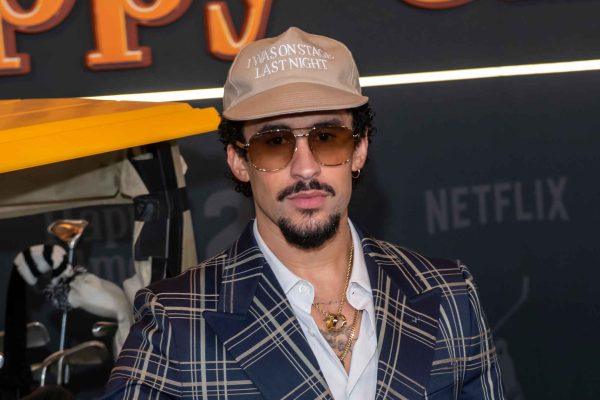
When Benito Antonio Martínez Ocasio left his job bagging groceries in a San Juan supermarket, few could have predicted that the kid from Vega Baja would become one of the most influential voices in Latin music—and, increasingly, a political icon for an entire generation. Since breaking through in 2016, Bad Bunny has not only shattered streaming records but has also redefined what it means to be a Latino artist in the global spotlight.
His rise has been anything but conventional. In a genre long dominated by hyper-masculine posturing, Bad Bunny arrived with painted nails, skirts, and an unapologetic refusal to conform. That aesthetic choice was never just fashion—it was a statement. By challenging the rigid codes of machismo in reggaeton and trap, he opened a space where vulnerability and defiance could coexist. And he did it without asking for permission.
From the Stage to the Streets: Activism in Action
Bad Bunny’s political awakening has been gradual but unmistakable. In 2019, he joined the protests that forced Governor Ricardo Rosselló to resign, using his platform to demand accountability for corruption and mismanagement in Puerto Rico. That same year, he appeared on The Tonight Show wearing a shirt that read “They killed Alexa, not a man in a skirt,” in reference to the murder of trans woman Alexa Neulisa Luciano Ruiz. The moment was raw, unscripted, and deeply resonant.
His music has also become a vehicle for social commentary. Tracks like “Solo de Mí” tackle gender-based violence and bodily autonomy, while “El Apagón,” accompanied by a documentary, exposes the gentrification and economic colonialism reshaping Puerto Rico. In the documentary, he highlights how foreign investors and tax incentives are pushing locals out of their own neighborhoods, privatizing beaches, and eroding the island’s cultural fabric.
Bad Bunny’s commitment to his homeland is not just rhetorical. He has prioritized performing in Puerto Rico over touring the United States, a move that speaks volumes about where his loyalties lie. When Hurricane María devastated the island in 2017, he used his growing influence to amplify the humanitarian crisis, criticizing both the U.S. government’s slow response and local authorities’ failures.
Reggaeton as a Political Language
In the United States, where ICE raids continue to terrorize Latino communities, Bad Bunny has emerged as a defiant voice. He has openly criticized U.S. immigration policies, refusing to soften his stance for mainstream acceptance. His success at the Grammys and his headlining slots at major festivals prove that Latin culture no longer needs translation or validation from Anglo markets. As he put it in a recent interview, “We don’t need to sing in English to be understood.”
This anti-colonial stance extends to his support for Puerto Rican independence. In the 2020 elections, he endorsed Juan Dalmau of the Puerto Rican Independence Party, helping to push the independence movement into the political mainstream. For many young Boricuas, Bad Bunny’s endorsement was a turning point—a signal that the fight for sovereignty is not a relic of the past but a living, breathing cause.
His influence has even crossed over into unexpected spaces. He recently voiced a character in Toy Story 5, bringing his signature style to the franchise as a pizza with sunglasses. And his Benito Antonio collection for Zara was a love letter to Puerto Rican craftsmanship, featuring designs inspired by the island’s artisans and landscapes.
But perhaps the most telling sign of his political evolution is the way he uses his body as a canvas. From nail polish to dresses, every choice is a rejection of the idea that Latino men must be one thing. In a region where machismo has long been a tool of control, Bad Bunny’s fluidity is a radical act. He has shown that strength and sensitivity are not opposites, and that resistance can be beautiful.
As the world watches Puerto Rico grapple with debt, natural disasters, and colonial neglect, Bad Bunny stands as a reminder that culture is never apolitical. His music, his fashion, and his activism are all threads in the same fabric—a fabric woven from the resilience of an island that refuses to disappear. Whether he’s headlining Coachella or marching in the streets of San Juan, Bad Bunny has made one thing clear: he belongs to his people first.