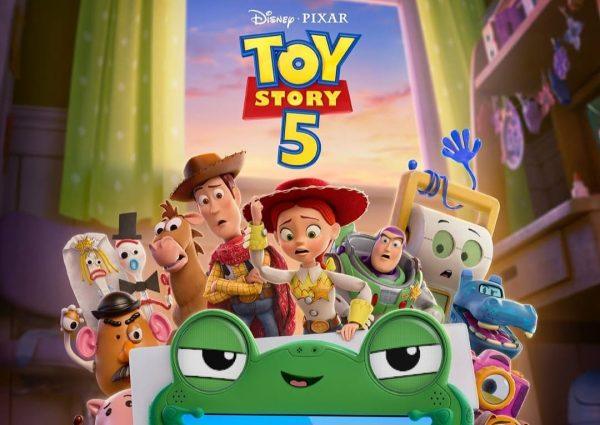
For nearly three decades, Pixar held firm to one unspoken rule: Bullseye, Woody’s loyal horse, would never utter a word. That changes in Toy Story 5, where the beloved steed finally speaks—but only in a playful, imaginary sequence. The decision marks a bold narrative shift for a franchise that has carefully guarded its character logic since 1999.
The voice belongs to Scottish actor Alan Cumming, an Emmy and Tony winner known for his theatrical range. In the film, Cumming voices an alternate version called “Evil Bullseye,” a parody born from the imagination of the new character Blaze. Cumming revealed that the recording was completed in a single, intense studio session where he experimented with timbres, accents, and breathing patterns before landing the right tone. For him, joining a cast that includes Tom Hanks (Woody), Tim Allen (Buzz Lightyear), Joan Cusack (Jessie), and Tony Hale (Forky) is a milestone that redefines the role of supporting actors in modern blockbusters.
Traditional Toys vs. the Screen Empire
Beyond the cameos, the film’s core conflict tackles a theme familiar to many Latino families: the battle between physical toys and digital devices. Directed by Pixar veteran Andrew Stanton, the story places the classic toy gang against their most formidable threat yet—children’s obsession with screens. The danger takes the form of Lilypad, a frog-shaped electronic tablet that absorbs all of little Bonnie’s attention, voiced by Greta Lee. The film portrays the harsh competition that dolls, action figures, and board games face against smartphones and interactive apps.
Meanwhile, a subplot involving defective commemorative Buzz Lightyear figures adds chaos to the household. These elements reflect a broader cultural anxiety about how technology reshapes childhood, a topic that resonates deeply across the Americas, where screen time debates are as common in Buenos Aires as in Los Angeles.
Pixar also expands its universe with new toys that reflect contemporary pop culture. Puerto Rican superstar Bad Bunny brings his signature style to Toy Story 5 as Pizza with Sunglasses, a character described as “mysterious and very cool” who leads a marginalized community of toys in a backyard. This inclusion connects directly with bicultural Latino audiences who have followed the artist’s rise from trap pioneer to global icon. Comedian Conan O’Brien voices Smarty Pants, an early-stimulation educational toy, adding another layer of humor.
The film’s bicultural narrative aims to bridge the nostalgic roots of the saga with digital-era audiences. By casting figures like Bad Bunny, Pixar acknowledges the growing influence of Latin music and culture on mainstream entertainment. The studio’s willingness to break its own rules—both in character design and thematic scope—signals a franchise that refuses to rest on its laurels.
As Toy Story 5 prepares for its 2026 release, it carries the weight of a legacy that began in 1995. The question is whether it can balance innovation with the emotional core that made audiences cry over a cowboy and a space ranger. If the early signs are any indication, Pixar is betting that even in a world of tablets and streaming, the magic of a well-loved toy still matters.