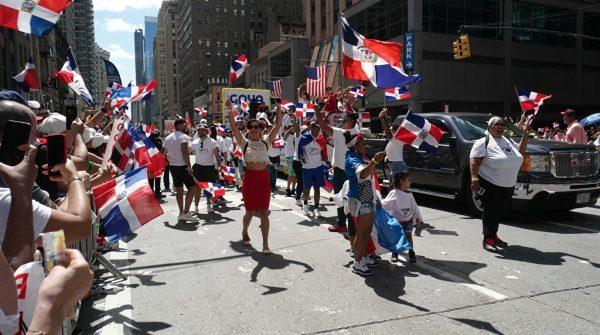
As February approaches, Black History Month presents a powerful moment to focus specifically on the Afro-Latino experience. This isn't about treating Latin America as a monolith, but rather recognizing how African heritage has uniquely shaped distinct cultures from the Caribbean coast of Colombia to the northeastern states of Brazil. It's a time for celebration, education, and a deeper commitment to understanding the vibrant tapestry of our communities.
Engaging with Afro-Latino Culture
The influence is everywhere, once you know where to look. It's in the syncopated rhythms that get you moving and the culinary traditions that tell stories of resilience. This guide offers ten substantive ways to connect with and honor Afro-Latino history and its living legacy throughout 2025 and beyond.
1. Trace the African Roots in Latin Rhythms
Music provides one of the most direct connections. The call-and-response patterns in salsa, the driving percussion of bomba from Puerto Rico, and the very foundation of Colombian cumbia all trace back to West and Central Africa. Go beyond listening; learn about the history. Understanding how the clave pattern traveled from Africa to Cuba transforms how you hear the music. Seek out events featuring genres like Dominican palos or the Garifuna punta of Honduras.
2. Dive into Literature by Afro-Latino Authors
Stories hold immense power. The works of authors like Elizabeth Acevedo, whose novels-in-verse give voice to Afro-Dominican girls in New York, or the sharp social commentary of Junot Díaz, offer windows into nuanced identities. Seek out the poetry of Afro-Peruvian Victoria Santa Cruz or the historical narratives that detail communities like the quilombos of Brazil or Mexico's Costa Chica region. Their words are essential to a complete picture of the Americas.
3. Listen to Podcasts Centering Afro-Latino Narratives
Audio storytelling allows for deep, personal exploration. Podcasts dedicated to Afro-Latino history, politics, and culture provide context often missing from mainstream narratives. They explore topics from colorism in telenovelas to the political movements led by Afro-descendant communities in countries like Uruguay and Ecuador. It's learning you can take with you.
4. Support Afro-Latino Artists and Creators
From visual artists like Firelei Báez to filmmakers like Gloria Rolando, Afro-Latino creatives are shaping contemporary culture. Make a point to stream music by Colombian champeta artists or Panamanian plena singers. Follow and promote the work of photographers, dancers, and fashion designers. Intentional support helps ensure these voices continue to thrive and be seen.
5. Explore the Diaspora Through Food
The culinary map tells a rich story. Cooking dishes like mofongo (Puerto Rico), feijoada (Brazil), or rondón (Caribbean coast) is a sensory journey into history. These meals, built around ingredients and techniques brought across the Atlantic, are acts of preservation. Visit an Afro-Latino-owned restaurant or dedicate an evening to cooking a new recipe, discussing its origins as you eat.
6. Watch Films That Illuminate Afro-Latino Experiences
Cinema offers powerful visual narratives. Seek out films like La Playa D.C. from Colombia, which explores displacement and identity, or the Brazilian masterpiece City of God, which portrays life in Rio's favelas. Documentaries like the Black in Latin America series provide crucial historical framing. These stories complicate simplistic narratives and highlight shared struggles and joys.
7. Learn About Spiritual Traditions
Religious practices like Cuban Santería, Brazilian Candomblé, and Haitian Vodou represent profound syncretism, blending African deities with Catholic saints. These are living traditions of immense cultural and spiritual significance. Approach with respect: read accounts by practitioners, visit a community botánica to understand the sacred items, or listen to scholars explain their historical context and modern relevance.
8. Visit Cultural Institutions, Virtually or In Person
Museums and cultural centers are treasure troves. Institutions like the Museo Afro Peruano in Zaña or the Museu Afro Brasil in São Paulo are dedicated to preserving this heritage. Many, including the Smithsonian Latino Center, offer extensive online exhibits and digital archives, making this history accessible no matter your location. For more on why this history demands attention beyond February, explore our piece on why Black history demands more than a month.
9. Participate in Community Dialogues
Engagement is key. Look for book club discussions on Afro-Latino literature, attend a virtual panel on topics like Afro-Latinidad in the digital age, or join a local community organization. These conversations, whether in East Los Angeles, the Bronx, or online, foster connection and collective learning. They move celebration from a passive to an active practice.
10. Amplify Stories and Voices Consistently
Make sharing Afro-Latino stories a year-round practice. Use your platforms—whether a family group chat or social media—to highlight a new musician, recommend a book, or discuss a historical figure like Puerto Rican activist Arturo Alfonso Schomburg. Consistent amplification challenges erasure and builds a broader, more accurate understanding of Latino identity, which is inherently multiracial. This connects to broader cultural conversations, much like understanding reggaeton's shared roots beyond Puerto Rico and Panama.
Ultimately, Black History Month is an invitation—a starting point for a deeper, ongoing engagement with the Afro-Latino experience. It's about recognizing that the story of Latin America cannot be told without acknowledging the central role of African descendants in shaping its music, faith, food, and fight for justice. Let this February be a launchpad for a more informed and inclusive appreciation throughout the year.