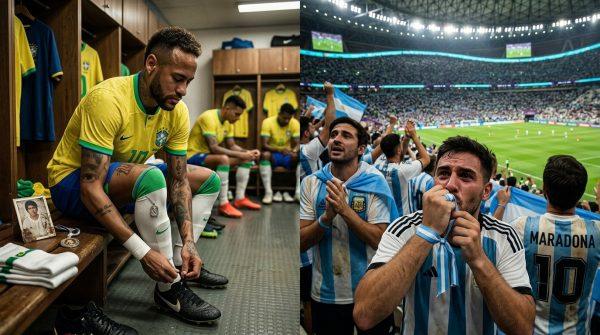
Every four years, the World Cup transforms into a stage where faith, fear, and hope collide. For players and fans across Latin America, superstitions are not just odd habits—they are essential tools for navigating the tournament's emotional rollercoaster. From the streets of Buenos Aires to the stands of México City, these rituals bind communities and offer a sense of control in a game where so much is left to chance.
Sports psychologists note that while these actions don't change the outcome of a match, they provide a psychological anchor. When a player insists on wearing the same socks that brought victory in a previous game, or when a fan refuses to wash their jersey during a winning streak, they are creating a mental framework that reduces anxiety and reinforces confidence. As the stakes rise, these small acts become powerful.
Argentina's Sacred Traditions
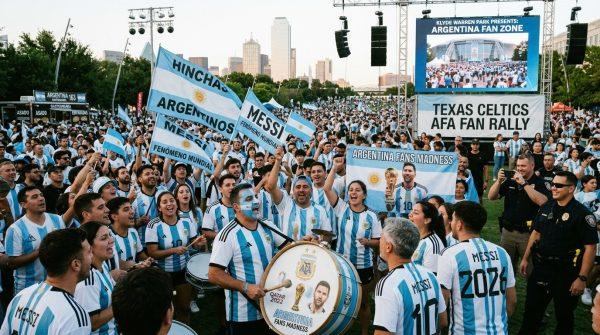
The Argentine national team is a prime example of how deep-rooted customs foster unity. Before matches, players gather for traditional asados—barbecues that are as much about bonding as they are about ritual. They also pay close attention to hotel room numbers, believing that certain digits bring good fortune. This meticulous attention to detail, as reported by Argentina's World Cup fans, reflects a collective desire to maintain a winning streak through shared belief.
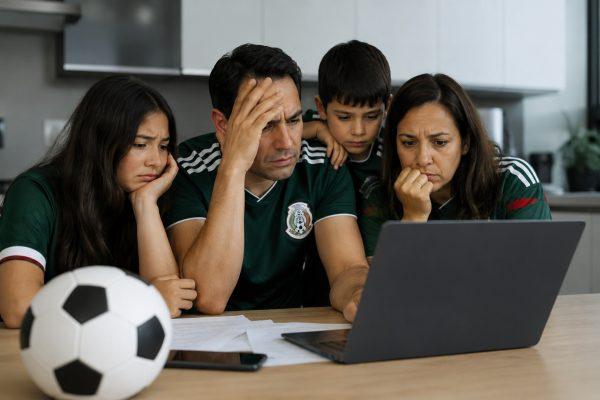
These practices are not unique to Argentina. Across Latin America, teams develop their own codes. In México, for instance, players often follow a strict dressing order, putting on their left boot before the right, or taping their shin guards in a specific way. These routines, passed down through generations, become part of the team's identity.
Fans and Their Lucky Charms
For fans, superstitions are equally vital. In Colombia, supporters might wear the same camiseta for every match of a tournament, convinced that a change would break the spell. In Brazil, it's common to see fans sitting in the exact same seat for every game, surrounded by the same group of friends, recreating the conditions of past victories. These behaviors, while seemingly irrational, are a way to participate in the drama from the stands.
The emotional roots of these rituals run deep. As one sports psychologist explained, "When you feel you have no control over the referee's decisions or the pitch conditions, superstitions give you a sense of order." This is especially true during the World Cup, where the pressure can be overwhelming. The rituals become a bridge between the logical and the metaphysical, allowing fans and players to believe they can influence fate.
The Dark Side: Curses and Collective Fear
Not all superstitions are positive. The famous "Curse of Rocky" in Philadelphia, where fans believe dressing the iconic statue in rival colors brings bad luck, has parallels in Latin America. In some cities, fans avoid wearing certain colors or uttering specific words before a big match, fearing they might jinx their team. These beliefs can shape the behavior of entire communities, turning the tournament into a theater of collective anxiety.
Yet, even these darker traditions serve a purpose. They reinforce the identity of the sporting community, creating a shared heritage that is passed down through generations. As the tournament progresses, these rituals become part of the folklore, adding layers of meaning to every goal and save.
The World Cup is ultimately a celebration of human spirit. The rituals, whether they involve a lucky jersey or a pre-match asado, remind us that football is not just about skill—it's about faith. And in that faith, millions of Latinos find a connection to their roots, their families, and their dreams.