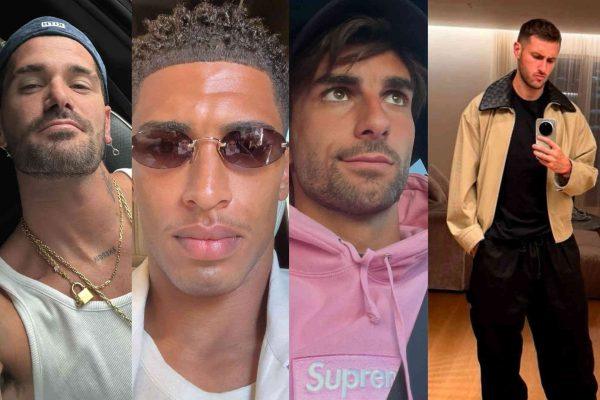
The 2026 World Cup wasn't just about goals and tactics—it was a stage where players became cultural icons. From the veteran poise of Guillermo Ochoa to the electric energy of Santiago Giménez, Latino players dominated conversations both on and off the field. Their charisma, personal style, and celebrations turned them into the tournament's biggest crushes, proving that modern fandom is as much about personality as it is about performance.
Every four years, the world stops for the World Cup, but this edition added a new layer: players who could stop time with their mere presence. Social media feeds shifted from tactical breakdowns to admiration for a confident walk down the tunnel, a distinctive haircut, or a passionate goal celebration. Figures like Jude Bellingham and Ferran Torres became recurring topics in group chats, showing that fans consume soccer with as much passion off the pitch as during the 90 minutes.
Latino Stars Leading the Charge
Mexico's Guillermo Ochoa remains an unfaltering icon, his leadership and unmistakable style keeping him as a benchmark for the tournament. Alongside him, Santiago Giménez emerged as a fresh face revolutionizing the international scene, blending European soccer polish with a bold, modern image. Argentina's Rodrigo De Paul acted as the creative engine of the albiceleste, his unique style and midfield flair providing balance and plenty of swagger.
These players shattered classic stereotypes, offering a mix of experience and youth that allowed every fan to find their personal favorite. The tournament became a dynamic experience where aesthetic admiration and sporting talent intertwined organically.
Style and International Projection
The impact of these players extended far beyond local borders. Rodrigo De Paul, Raphinha, and Micky van de Ven demonstrated how elegance and physical power coexist at the highest level. A haircut, a distinctive tattoo, or the way they wear their uniform generated headlines that competed directly with the most spectacular goals of the day. This redefines what it means to be a sports star today.
For a deeper look at how one player conquered both the pitch and high fashion, check out our piece on Jude Bellingham: The Midfielder Who Conquered the Pitch and Louis Vuitton.
Spotlight on Key Players
- Guillermo Ochoa (México): The veteran goalkeeper's leadership and unmistakable style kept him as an absolute benchmark of the World Cup 2026.
- Ferran Torres (Spain): The forward was a key piece in his team's results, becoming the center of all eyes for reasons beyond his talent alone.
- Erling Haaland (Norway): The top striker breaks all established molds, standing out for his unique style and lethality in front of goal.
- Rodrigo De Paul (Argentina): His unique style and role as the creative engine of his team provided balance and plenty of flair to the albiceleste's game.
- Santiago Giménez (México): A major figure of the new generation, shining in European soccer and on the world stage.
- Joško Gvardiol (Croatia): Consolidated his status as one of the young defenders with the greatest potential, mixing discipline and style with great technical vision.
The World Cup fever went beyond the scoreboard. These players became cultural touchstones, their influence felt in fashion, music, and everyday conversations. For more on how Latino players' backgrounds shaped their national team choices, read World Cup Players and the Birthplaces That Shaped Their National Team Choices.
As the tournament concluded, it was clear that the 2026 World Cup had redefined what it means to be a soccer star. Talent on the field remains essential, but charisma, style, and cultural impact are now equally important. Latino players, with their rich traditions and modern flair, led this transformation, making the tournament unforgettable both on and off the pitch.