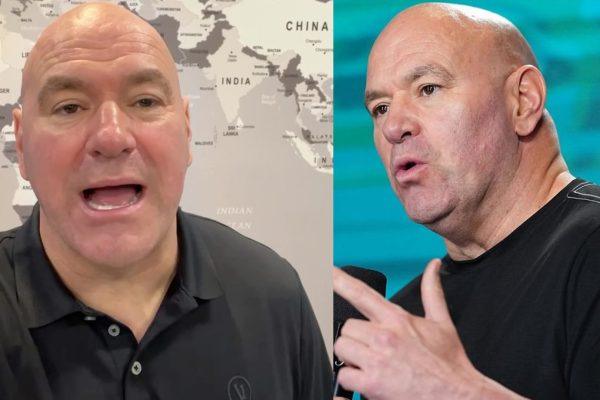
UFC CEO Dana White has never been shy about sharing his opinions, and his latest comments on ayahuasca are stirring conversation across the combat sports world. In a recent interview with content creator Nina Drama, White addressed the growing trend of athletes participating in traditional Amazonian ceremonies, and he didn't hold back.
White said that people he knows—including fighters—who have consumed the DMT-containing brew come back fundamentally changed. “They’re never the same,” he said, describing a noticeable shift in personality that often makes them gentler and more affectionate. While that might sound like a positive transformation, White suggested it can clash with the ruthless mindset required inside the octagon.
When asked if he would ever try ayahuasca himself, the UFC boss was unequivocal: “I would never do it.” His stance is clear, even as the plant medicine gains popularity among athletes seeking mental clarity and emotional healing.
Ayahuasca’s growing appeal in elite sports
The intersection of psychedelics and high-performance athletics is nothing new, but it’s becoming more visible. Former heavyweight boxing champion Deontay Wilder has spoken openly about his retreat to Costa Rica, where he participated in ayahuasca ceremonies before major title fights. Wilder credited the experience with bringing him deep peace and focus, a stark contrast to the aggressive persona he projects in the ring.
Yet White’s warning highlights a tension that many in the sport are grappling with: can a fighter maintain the “killer instinct” after a profound spiritual awakening? Some coaches and analysts worry that the empathy and introspection ayahuasca can foster might dull the edge needed to compete at the highest level.
This debate isn’t limited to MMA. Across sports, from basketball to soccer, athletes are exploring plant medicines and microdosing as tools for mental performance. But in combat sports, where the line between victory and defeat is razor-thin, the stakes feel higher.
White’s comments also come amid his ongoing feud with Oscar De La Hoya, another figure who has been vocal about his own psychedelic experiences. The contrast between the two promoters’ approaches to mental wellness is stark.
Health and regulation in the UFC
While ayahuasca is legal in many parts of Latin America, including Peru and Brazil, where it’s used in traditional ceremonies, its status in the U.S. remains murky. The brew contains DMT, a Schedule I substance, though its use in religious and spiritual contexts has been protected in some cases.
For athletes, the bigger concern is how such substances affect their bodies and careers. Ayahuasca can cause intense nausea, vomiting, and cardiovascular stimulation, which are hardly ideal for someone preparing to fight. Athletic commissions monitor fighters closely, and any substance that could impair performance or health is scrutinized.
White’s warning serves as a reminder that the pursuit of mental clarity must be balanced with the physical demands of the sport. As more fighters explore these paths, the conversation is likely to continue.
For now, White’s position is unambiguous: he wants no part of it. Whether his fighters heed his advice remains to be seen.