When you watch the World Cup, you're not just seeing a game—you're witnessing a living map of migration. Nearly 287 players in the tournament compete under flags that don't match their birth certificates. For Latino audiences, this is a familiar story: our communities are built on movement, on carrying home in our hearts even when we're far from the places our families came from.
From Refugee Camps to National Heroes
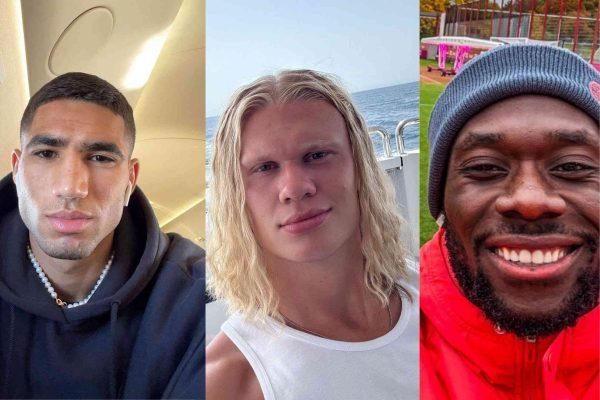
Take Alphonso Davies. Born in a refugee camp in Ghana after his parents fled Liberia's civil war, he grew up in Canada and now leads their national team. His journey isn't just about soccer—it's about how a child of displacement can find belonging in a new country while honoring the struggles of his ancestors. Similarly, Achraf Hakimi grew up in Madrid but chose to represent Morocco, the country of his parents. His decision resonates deeply across Latin America, where dual citizenship is common and many players face similar choices.
These athletes carry stories that go beyond the pitch. They remind us that identity isn't fixed by geography. For the 2026 World Cup, where Latin American teams face high-stakes matchups, this diversity enriches the competition and connects fans to broader narratives of resilience.
The Freedom to Choose Your Flag
Some players face federative disputes, like Aymeric Laporte, who switched from France to Spain. Others, like Hakan Çalhanoglu, born in Germany, firmly chose Turkey. Erling Haaland, born in England while his father played there, opted for Norway. These decisions highlight a modern reality: soccer allows for a plurality of identities. For Latino players, this is especially poignant. Many grow up in the United States or Europe but feel a deep pull toward their parents' homelands.
Kalidou Koulibaly, born in France, anchors Senegal's defense. His choice reflects a broader trend where players honor their roots, even when raised elsewhere. This isn't just about talent—it's about heritage. As the Opta supercomputer predicts France to win the 2026 World Cup, with Argentina close behind, these stories remind us that the tournament is as much about identity as it is about sport.
Ultimately, every player who steps onto the World Cup pitch embodies a unique blend of life experiences. The exact spot on the map where they started matters less than the passion and the flag they choose to defend. For Latino fans, this is a familiar truth: home is where the heart is, and sometimes, that heart beats for a country you've never lived in.