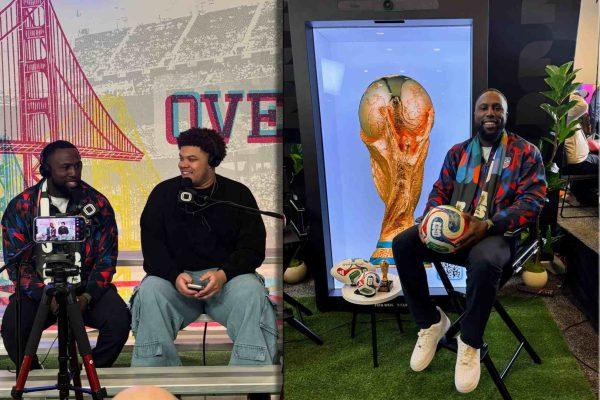
Jozy Altidore has never been one to shy away from big statements. The former U.S. men's national team striker, who scored 42 international goals and played in three World Cups, sat down with LatiNation Fútbol Club to share his take on the current squad's chances heading into the 2026 FIFA World Cup. His message: this team has what it takes to lift the trophy — but the conversation shouldn't stop there.
Under manager Mauricio Pochettino, the USMNT has developed a tactical identity that blends European discipline with the flair and creativity that defines so many of its dual-national players. Altidore pointed to the squad's depth as a key advantage, especially compared to the limited options he had during his own career. “We didn't have this kind of competition for spots,” he said. “Now you've got guys playing in top leagues across Europe, and that changes everything.”
More Than a Trophy: Altidore's Push to Rewrite the Culture of Pain
While much of the pre-World Cup buzz centers on results and rosters, Altidore used his platform to highlight a deeper issue: how professional sports treat injury and recovery. Through a new partnership with Advil called “Rewriting Pain,” he's calling for a fundamental shift in the way leagues, coaches, and players themselves approach physical suffering.
Campaign data shows that 87% of current and former pro athletes believe sports organizations treat pain as a necessary part of success. Even more troubling: 80% admit to playing through documented injuries because of short-term match pressure. Altidore knows that reality firsthand. “For years, playing hurt was just part of the job,” he said. “But we know now that doesn't work. You can't build a winning team on broken bodies.”
The initiative aims to change that mindset, pushing for better recovery protocols and a culture that values long-term health over short-term wins. It's a message that resonates across Latin America and the diaspora, where soccer is often a path out of poverty — and where playing through pain is still too often seen as a badge of honor.
Roster Depth and the Pressure of a Home World Cup
Altidore also addressed the unique pressure of hosting the World Cup. The USMNT will play all its group-stage matches on home soil, a privilege that comes with immense expectation. He praised the current generation's mental toughness but warned that the tournament's emotional weight can't be underestimated.
“Playing at home is a dream, but it's also a burden,” he said. “You need leaders in the locker room who can keep everyone grounded.” He highlighted goalkeeper consistency and veteran presence as the two variables that will determine how far the U.S. goes. “You can have all the talent in the world, but if your keeper isn't sharp and your leaders aren't steady, it's over.”
The conversation comes at a time when the USMNT is still smarting from some high-profile roster decisions. Earlier this year, Diego Luna was left off the World Cup roster despite a major Nike campaign, a reminder that even the deepest talent pool comes with tough calls.
Altidore also touched on the broader cultural moment around the 2026 tournament. With matches set to take place across the U.S., Canada, and Mexico, the World Cup will be a truly pan-American event. He sees it as an opportunity to showcase the diversity of the region's soccer culture — from the intensity of Mexico City's Clásico Capitalino to the grassroots passion of U.S. Latino communities.
For Altidore, the ultimate goal is clear: win the World Cup. But his legacy project goes beyond the scoreboard. By challenging the culture of pain in sports, he's trying to ensure that the next generation of players — whether they're from Los Angeles, Buenos Aires, or San Salvador — can compete at the highest level without sacrificing their bodies in the process.