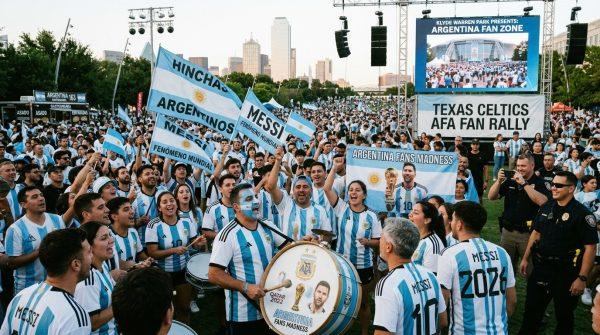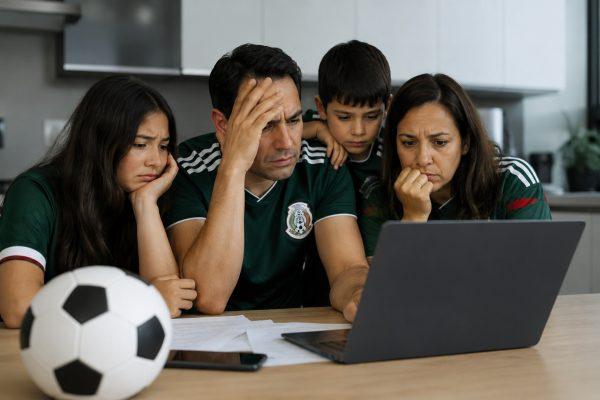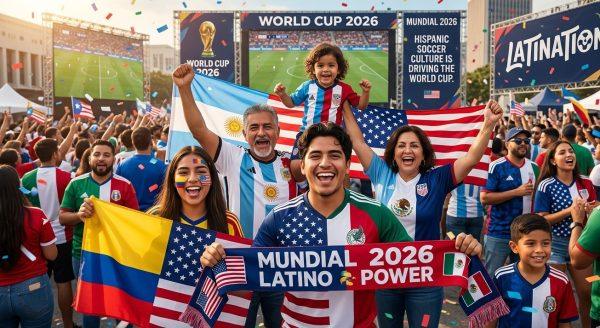
As the countdown to the 2026 World Cup intensifies, a new report from the Pew Research Center reveals a stark cultural divide in American sports viewership. While the tournament is set to be hosted across the United States, Mexico, and Canada, enthusiasm is far from universal. According to the study, just 28% of U.S. adults plan to watch the matches, while 66% say they will ignore the competition entirely. The numbers shift dramatically when broken down by heritage: 54% of immigrants intend to follow the tournament, compared to only 23% of U.S.-born fans. Among Latino respondents, 42% express interest, making them a key driver of audience engagement.
Latino Soccer Culture vs. American Football Dominance
The disparity reflects deeper consumption habits. American football remains the undisputed king, with 53% of Americans naming it their favorite sport. Traditional soccer, by contrast, captures just 3% of that top-tier preference. Yet Latino soccer culture—rooted in loyalties to clubs and national teams from countries like Argentina, Brazil, and Mexico—consistently challenges this norm. The presence of global stars and the growth of Major League Soccer have helped sustain visibility, but the World Cup remains the ultimate gathering point for those seeking a living connection to their roots.
This cultural influence is reshaping the tournament's commercial dynamics. Brands are already eyeing the digital engagement of Latino fans, who are expected to drive multiplatform content consumption. The Pew data underscores that the World Cup functions less as a mainstream American event and more as a vibrant, community-centered experience for immigrant and diaspora populations.
Divided Predictions and Digital Audiences
The report also explores which teams fans expect to win. Spain leads with 9% of support, followed closely by Argentina and Brazil at 8% each. France and the U.S. team tie at 7%, while Mexico and Germany round out the top mentions. This diversity of preferences mirrors the broad audience that will consume content across platforms, from streaming services to social media.
For Latino fans, the tournament is more than a sporting event—it's a cultural touchstone. As one analyst noted, the World Cup allows millions to maintain a living connection with their heritage, whether through cheering for la selección or gathering with family to watch matches. This passion stands in sharp contrast to the broader American indifference, highlighting how immigrant communities are reshaping the sports landscape.
In related coverage, the upcoming Clásico Capitalino final between Pumas and Cruz Azul will decide Mexico City's soccer supremacy, while Spain and Mbappé lead the soccer gods' favor for World Cup glory. Meanwhile, Young Miko's upcoming deluxe release and Texas leading U.S. job growth offer further context on the cultural and economic currents shaping the Americas.
Ultimately, the 2026 World Cup reveals a nation where passion for the beautiful game is deeply tied to identity. While most Americans may stay on the sidelines, Latino and immigrant communities are ensuring the tournament's success on U.S. soil—one match, one cheer, one shared memory at a time.