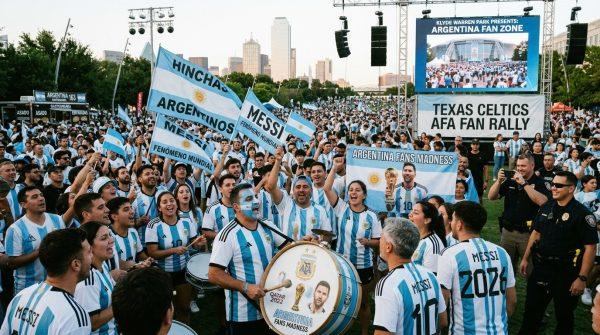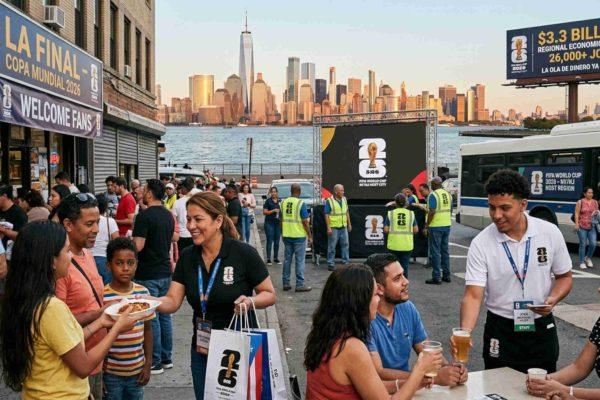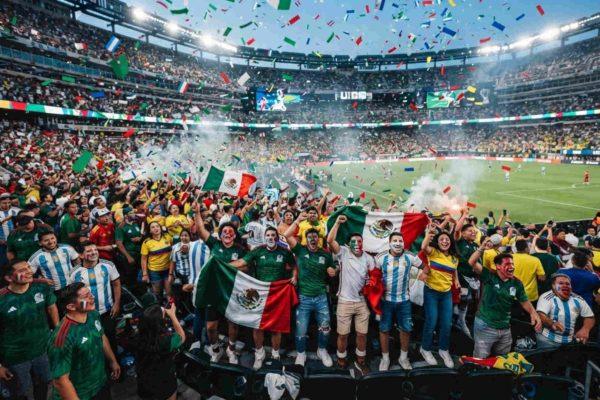
The 2026 World Cup was more than a soccer tournament—it was a cultural takeover. Across stadiums in the United States, from Los Angeles to Miami, the Latino community turned every match into a vibrant display of identity, passion, and pride. This edition, co-hosted by the U.S., Mexico, and Canada, became an unforgettable festival where music, fan rituals, and historic comebacks united millions.
Historic Feats That Defined the Tournament
Paraguay delivered one of the most stunning moments of the Cup by eliminating Germany in the round of 16 during a tense penalty shootout. The victory echoed the intensity of old rivalries and sent a clear message: Latin American soccer was not just participating—it was dominating. Ecuador also made headlines with a historic group-stage win over the same German side, proving that the region's talent runs deep.
Lionel Messi, already a legend, added another chapter to his storied career by becoming the all-time top scorer in World Cup history. His brace against Austria brought his total to 21 goals, surpassing previous records and cementing his legacy. For deeper insight into Argentina's football culture, check out The Cultural and Institutional Roots of Argentina's Football Dominance.
The Caribbean also had its moment in the spotlight. Haiti made an emotional return after 52 years, while Curazao—with a population of just 158,000—became the smallest nation ever to qualify for a World Cup. Their debut resonated deeply within Caribbean communities across the U.S., reminding everyone that size doesn't limit heart.
Passion That Filled the Stands
The dedication of Latino fans was overwhelming. According to official FIFA data, Mexico, Brazil, Colombia, and Argentina ranked among the top ten countries in ticket purchases worldwide. These fans didn't just watch from home—they filled venues in Los Angeles, Houston, Miami, Chicago, and New York, bringing their chants, flags, and unapologetic style. The energy was palpable, turning every match into a home game for Latin American teams.
Colombia topped its group ahead of Portugal, while Argentina, led by Messi, overcame England in a dramatic semifinal to reach the final against Spain. The grit and soccer intelligence on display were a testament to the region's deep-rooted love for the game. For more on how Latino culture intersects with sports and music, read about Carín León Makes History at Nu Stadium Inaugural Concert with Aid for Venezuela.
The tournament also sparked conversations beyond the pitch. In Texas, concerns about parking chaos and ICE presence at NRG Stadium highlighted the complex relationship between major events and the Latino community. Learn more in World Cup 2026 in Texas: NRG Parking Chaos and ICE Presence Spark Community Concerns.
Ultimately, the 2026 World Cup was a celebration of Latinidad—a reminder that our culture, music, and passion are inseparable from the beautiful game. From the opening ceremony at Estadio Ciudad de México, which hosted its third inaugural match, to Shakira's electrifying performance of "Dai Dai," the tournament felt like a family reunion. It was a summer where soccer and identity became one, leaving an indelible mark on the Latino community in the United States and beyond.