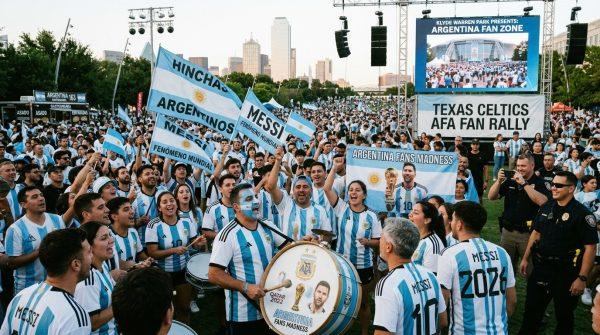
Argentina's ability to produce world-class football talent generation after generation is no accident. With a population under 50 million, the country has given us Diego Maradona, Lionel Messi, and a new wave of stars lighting up Europe's top leagues. The secret lies not in raw talent alone, but in a deeply embedded cultural and institutional framework that treats football as a way of life.
The Potrero: Where Creativity Is Born
The journey of an Argentine footballer rarely begins in a state-of-the-art academy. Instead, it starts on the potrero—the vacant lots, dusty streets, and public parks where kids gather for unstructured, hours-long matches. Without coaches or referees, these young players learn to solve problems on the fly, improvising and developing tight ball control in cramped spaces. Sports scientists argue that this freedom fosters creativity in ways that rigid drills cannot replicate.
In Buenos Aires, Rosario, and Córdoba, the potrero is a rite of passage. It's where Lionel Messi first dribbled past older kids in Rosario, and where countless others honed the instinctive decision-making that defines Argentine football. This informal system acts as an incubation chamber for technical variation, producing players who can adapt to any situation on the pitch.
Psychological Grit from an Early Age
Another critical factor is the intense psychological pressure young players face. In Argentina, youth matches are not low-stakes affairs. They draw passionate crowds, fierce rivalries, and high expectations from family and neighbors. This environment trains players to perform under stress long before they reach professional ranks. The ability to stay calm when the game is on the line becomes second nature.
This mental resilience is further sharpened by the socioeconomic realities many players come from. For a significant number of elite prospects, football is the only ticket out of poverty. Growing up in modest neighborhoods with limited resources instills a hunger and competitive edge that becomes part of their playing style. It's a drive that carries them through the toughest moments on the field.
The Club System: A Community-Based Pipeline
Unlike in North America or Asia, where school sports dominate, Argentina's development pipeline runs through community-based social clubs. Historic institutions like River Plate, Boca Juniors, Independiente, and Rosario Central have extensive scouting networks that identify talent from the earliest ages. These clubs provide a structured path for young players to develop within a competitive ecosystem, ensuring they are technically polished by the time they reach adulthood.
This system is deeply integrated into local neighborhoods. A kid from La Boca might join Boca Juniors' youth setup at age eight, training alongside peers who share the same streets and dreams. The club becomes a second home, instilling not just skills but a sense of identity and belonging. This emotional connection fuels the passion that Argentine players are known for on the international stage.
As Argentina prepares for the 2026 World Cup, the pipeline continues to deliver. The current squad blends veterans like Messi with emerging talents such as Julián Álvarez and Enzo Fernández, all products of this unique ecosystem. The Opta supercomputer may predict France as favorites, but Argentina's structural advantages keep them in contention.
Ultimately, Argentina's football dominance is a story of culture, community, and resilience. It's a model that other nations study but struggle to replicate, because it's rooted in something intangible: a national identity where football is not just a sport, but an essential part of life.