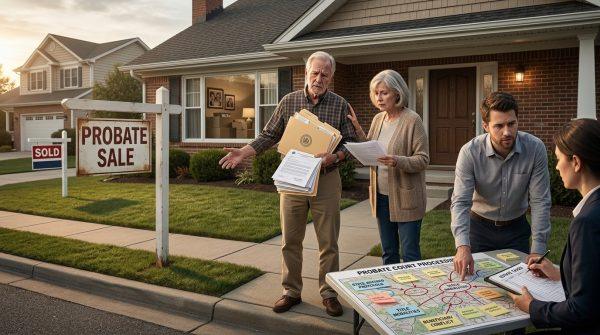
When a loved one passes away, the last thing any family wants is a legal battle over the family home. Yet across the United States, inheritance rules for real estate often create unexpected outcomes, leaving heirs in a tangle of court proceedings and financial obligations. For Latino families, where the home is often a central pillar of generational wealth and cultural identity, understanding these rules is crucial.
The transfer of a residential property is rarely automatic. It depends on how the title is held, whether a valid will exists, and the specific laws of the state where the property is located. Without clear documentation, the home may end up in probate—a public, court-supervised process that can take six months to over a year to resolve. During that time, heirs must still manage mortgage payments, property taxes, and insurance, even if they don't yet have legal standing to sell or refinance.
Ownership Structures That Make a Difference
One of the most effective ways to avoid probate is through joint tenancy with rights of survivorship. This arrangement allows the surviving co-owner to automatically assume full ownership without court involvement. It's a common strategy for married couples and can be a lifeline for blended families, though it requires careful planning to avoid unintended consequences.
Another powerful tool is the revocable living trust. By placing the home in a trust, the grantor retains control during their lifetime and designates beneficiaries who will receive the property immediately upon death. This bypasses probate entirely, ensuring privacy and speed. For families with properties in multiple states—say, a vacation home in México or a rental in Bogotá—a trust can simplify cross-border estate management.
For those who own a home solely, a will is essential. Without one, the state's intestate succession laws kick in, distributing assets based on a predetermined hierarchy. This often ignores the nuances of modern families, such as stepchildren or long-term partners, and can lead to bitter disputes. As Shakira's real estate empire shows, even celebrities must navigate these complexities to protect their legacy.
Financial Responsibilities Don't Pause
Death does not erase financial obligations. Heirs must continue paying the mortgage, taxes, and insurance to avoid foreclosure or asset seizure. The federal Garn-St. Germain Act protects heirs by allowing them to assume existing mortgages without immediate refinancing, but the lack of a clear title can complicate dealings with utility companies and insurers. This often creates a vacuum of responsibility, where family members must cover costs while navigating probate—a system that rarely prioritizes speed.
For Latino families, where multigenerational households are common, the stakes are especially high. A home in Houston or McAllen might house grandparents, parents, and children, making its transfer a matter of stability for multiple generations. As Houston's 2026 real estate boom reshapes suburban living, families need to ensure their planning keeps pace.
Strategic Planning to Avoid Disputes
Experts agree that the best way to avoid family discord is to consult with an estate planning attorney. Creating a clear will, using transfer-on-death deeds, and regularly reviewing beneficiary designations are essential steps. For those with properties in México or other Latin American countries, it's also wise to understand local inheritance laws, which can differ significantly from U.S. rules.
Proactive planning transforms a potential legal hurdle into a streamlined transition. By prioritizing legal clarity today, property owners protect their legacy and ensure that complex inheritance rules don't undermine their family's long-term stability. As the new U.S. Treasury rules aim to end anonymous all-cash purchases, transparency in property ownership becomes even more critical.
Ultimately, the goal is to remove ambiguity. Whether through a trust, joint tenancy, or a well-drafted will, taking action now can save your family from unnecessary litigation and preserve the home as a source of strength for generations to come.