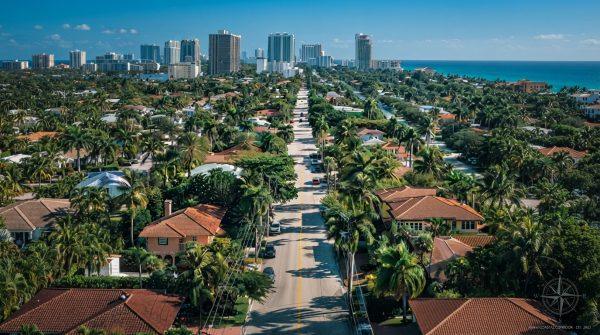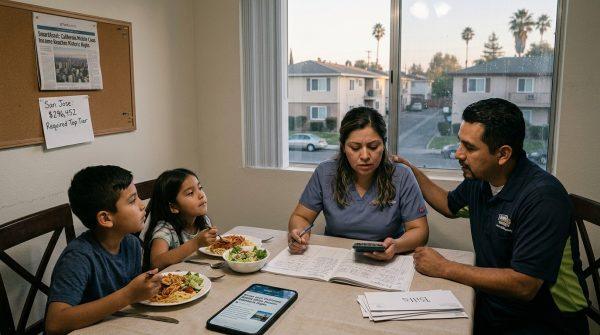
For many Latino families across California, the dream of a stable middle-class life is becoming harder to pin down. Rising inflation, soaring housing costs, and regional economic gaps mean that the salary needed to live comfortably in California is no longer a one-size-fits-all number. From the barrios of East Los Ángeles to the agricultural valleys of the Central Coast, the financial threshold for a decent standard of living varies dramatically.
According to data from the U.S. Census Bureau and a recent analysis by SmartAsset, California now ranks fifth nationwide for the highest income requirements. The statewide median household income sits at $100,149, which means middle-class earnings typically fall between $66,766 and $200,298. But those numbers only tell part of the story. In coastal hubs like San Francisco, where the median household income is $139,801, or in Los Ángeles, where it's $82,263, the actual cost of living can push those benchmarks much higher.
Regional disparities hit Latino communities hardest
SmartAsset's analysis, which applies the Pew Research definition of middle class (earning between two-thirds and twice the U.S. median income), reveals stark local variances. San Jose and Irvine require the highest upper bounds for middle-class standing at $296,452 and $291,462, respectively. For Latino families in these tech-driven cities, the gap between average wages and actual living expenses continues to widen. Many are turning to supplemental income streams—side hustles, freelance work, or multi-generational households—to bridge the gap.
In contrast, inland regions like the Central Valley or the Inland Empire offer lower thresholds, but they come with their own trade-offs: fewer job opportunities, longer commutes, and limited access to affordable healthcare. As California's exodus shows, many Latino families are leaving the state entirely for more affordable states like Texas, where the cost of living is lower and the economic landscape is shifting.
Community development initiatives and public policy discussions are now centering on these economic pressures. Advocates are pushing for better zoning laws, increased access to cost-effective infrastructure, and policies that address the affordability crisis head-on. But for now, families are adapting by staying informed about regional trends and prioritizing smart budgeting.
One emerging concern is the rise of scams targeting vulnerable communities. For example, a digital arrest scam has been impersonating consulates to trick Latino residents into paying fake fines, adding another layer of financial stress. Staying vigilant is key.
Ultimately, the salary needed to live comfortably in California depends on where you live, how you budget, and what trade-offs you're willing to make. For Latino families, the path to stability requires not just a good job, but a strategic approach to managing expenses and maximizing income sources. As the state's economy continues to evolve, so too must the financial strategies of those who call it home.