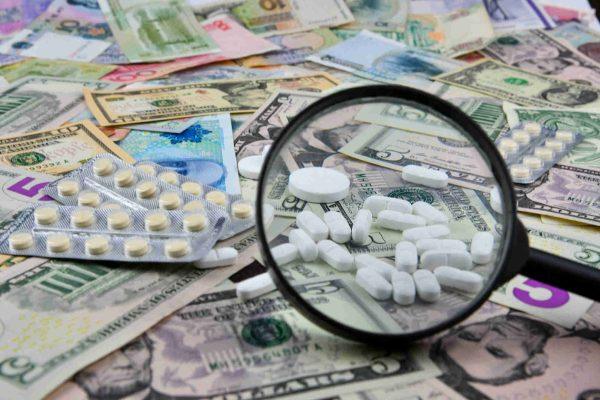
On a typical afternoon along St. Nicholas Avenue in Upper Manhattan, you might see folding tables lined with bottles of amoxicillin, painkillers, and erectile dysfunction pills—sold as casually as street fruit. This is not a pharmacy. It's an open-air, unregulated market for prescription drugs that has taken root in Washington Heights, a neighborhood with deep ties to the Dominican Republic and a strong Latino identity.
Local residents and health professionals describe the scene as alarming. Vendors import medications from the Dominican Republic, often without proper documentation or temperature control, and sell them directly to passersby. The drugs range from common antibiotics to potent diabetes treatments that require refrigeration. According to community advocates, the market has grown exponentially in recent months, with vendors operating in broad daylight, sometimes even in the presence of police officers who take no action.
Health Risks and Community Concerns
Dr. Elena Torres, a pharmacist who runs a licensed business in the area, told Latino World News that the situation is a public health emergency. “These medications are stored improperly, often in backpacks or under the sun. Patients who buy them have no way of knowing if they're counterfeit, expired, or contaminated,” she said. “We're seeing people who rely on insulin or blood pressure meds taking risks that could be fatal.”
The lack of regulation means that buyers cannot verify the authenticity or dosage of the drugs. In a community where many residents are uninsured or underinsured, the temptation to buy cheaper alternatives is understandable—but dangerous. The street market preys on economic vulnerability, offering a false solution to a systemic problem.
This isn't just a local issue. The illegal drug trade in Washington Heights reflects broader challenges in the U.S. healthcare system, particularly for immigrant communities. As scams targeting Latino travelers have shown, informal economies often fill gaps left by institutions, but they come with hidden costs.
Impunity and Enforcement Gaps
Despite New York State laws that classify the unlicensed sale of prescription drugs as a felony, enforcement has been sporadic at best. Vendors reportedly treat occasional confiscations as a cost of doing business, quickly restocking their tables. Community leaders have called on the NYPD and the city's Department of Health to take more decisive action, but so far, the response has been insufficient.
“This is not a victimless crime,” said Councilmember Carmen De La Rosa, who represents the district. “We're talking about people's lives. The city needs to treat this as a public health crisis, not just a nuisance.”
The situation also highlights a disconnect between urban regulation and street-level reality. While licensed pharmacies must comply with strict sanitary codes, the illegal market operates with impunity. For many in Washington Heights, the sight of these tables is a daily reminder of systemic neglect.
In a neighborhood known for its vibrant culture and resilience—from the streetwear-inspired sneaker culture to the sounds of bachata and merengue—this illegal market feels like a betrayal of the community's trust. Residents want solutions that address both the immediate danger and the underlying issues of healthcare access.
As the city grapples with how to respond, one thing is clear: the folding tables on St. Nicholas Avenue are more than a nuisance. They are a symptom of a broken system that leaves too many Latinos without safe, affordable options for their health.