Coconut Grove, Miami's oldest neighborhood, is getting a new landmark: a 10-story boutique residence from Raffles Hotels & Resorts, the brand behind some of the world's most storied hotels. With just 35 private condominiums, the project marks Raffles' first standalone residential venture in the Americas, and it's already turning heads in South Florida's luxury real estate scene.
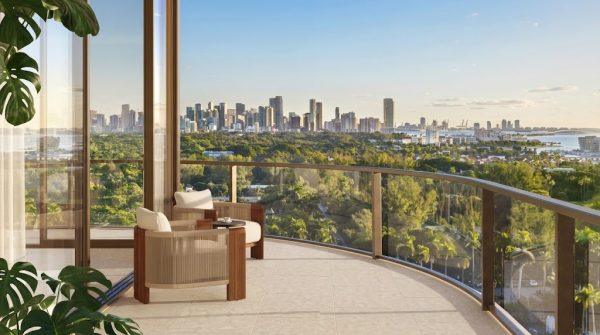
Prices start at $4.5 million for two- to four-bedroom layouts that stretch over thousands of square feet, all facing Biscayne Bay. The building, designed by Brandon Haw Architecture, sits at 2545 S. Bayshore Dr., directly across from Dinner Key Marina and the iconic Monty's restaurant—a spot that has long been a gathering place for locals and visitors alike.
A $28 million bet on Coconut Grove's quiet luxury
Developers Mast Capital and BH Group paid $28 million to acquire the former Bayshore Park condominium, a mid-century complex with 39 units. That works out to an average of about $718,000 per original owner—a significant payout for a property that had seen better days. The site is now cleared for the new development, which aims to blend modern architecture with the neighborhood's lush, tree-lined streets.
Coconut Grove has always stood apart from the glass towers of Brickell and downtown Miami. Its historic streets, shaded by banyan trees, and its relaxed, village-like atmosphere have made it a favorite for those who want proximity to the city without the density. This project, with its low-rise profile and emphasis on privacy, fits that ethos.
Raffles, part of Paris-based Accor, brings nearly 140 years of hospitality heritage to the table. Residents will get full concierge services, round-the-clock valet, and staff trained in the brand's signature style—think butlers who anticipate your needs before you ask. It's the kind of personalized care that's hard to find in a 50-story tower.
The move reflects a broader trend in Miami, where branded residences are booming. Wealthy buyers from across the globe are drawn to the prestige of a hotel name, the security, and the promise of seamless service. But this project is different: it's not a hotel with condos attached. It's a residential-only building, which means owners get the full attention of the staff without the foot traffic of a hotel lobby.
For Coconut Grove, the development is a sign of the times. The neighborhood has seen a wave of new investment in recent years, from restaurants to retail, and now luxury housing. Some locals worry about the changing character of the area, but others see it as a natural evolution. The project's low density—just 35 units—helps preserve the intimate feel that makes the Grove special.
Real estate analysts point out that branded residences like this one can stabilize the market by attracting long-term capital. They also note that Miami's appeal as a global city keeps growing, especially among Latin American buyers who see the city as a safe haven for their wealth. The proximity to Latin America, combined with the lifestyle on offer, makes projects like this particularly attractive.
As construction moves forward, all eyes will be on how this Raffles residence shapes the future of Coconut Grove. If it succeeds, it could pave the way for more boutique, hotel-branded projects in the area—and further cement Miami's status as a top destination for luxury living.
For those interested in the broader shifts in Miami's housing market, the rise of luxury rentals is another sign of how the city's wealthy are changing their approach to real estate. And for those following local politics, the recent vote on Virginia Key shows how residents are weighing in on development decisions.
With its blend of history, nature, and modern luxury, Coconut Grove is poised to remain one of Miami's most desirable addresses. The Raffles residence is just the latest chapter in that story.